news
Bangkok Infrastructure Plans Emerge from Ongoing Transport and Flood Initiatives
Government bodies continue preparations for major works that build on existing construction and funding commitments across the capital.
How we reported this
The Transport Ministry is preparing 11 infrastructure megaprojects for 2026 worth over THB 359.8 billion, including three double-track railway sections and four airport expansions. These efforts follow years of incremental project development by multiple agencies tasked with improving mobility and resilience in the capital.
Background to Current Preparations
Authorities reached this stage after advancing earlier commitments on rail links and river crossings. The Ministry of Transport has already commenced tunnelling under the Chao Phraya River for the MRT Purple Line southern extension while accelerating bidding for four electric rail projects worth over THB 128 billion. This sequence of actions reflects a pattern of sequential approvals and site work that began with prior master planning documents.
Water Transport and Canal Upgrades
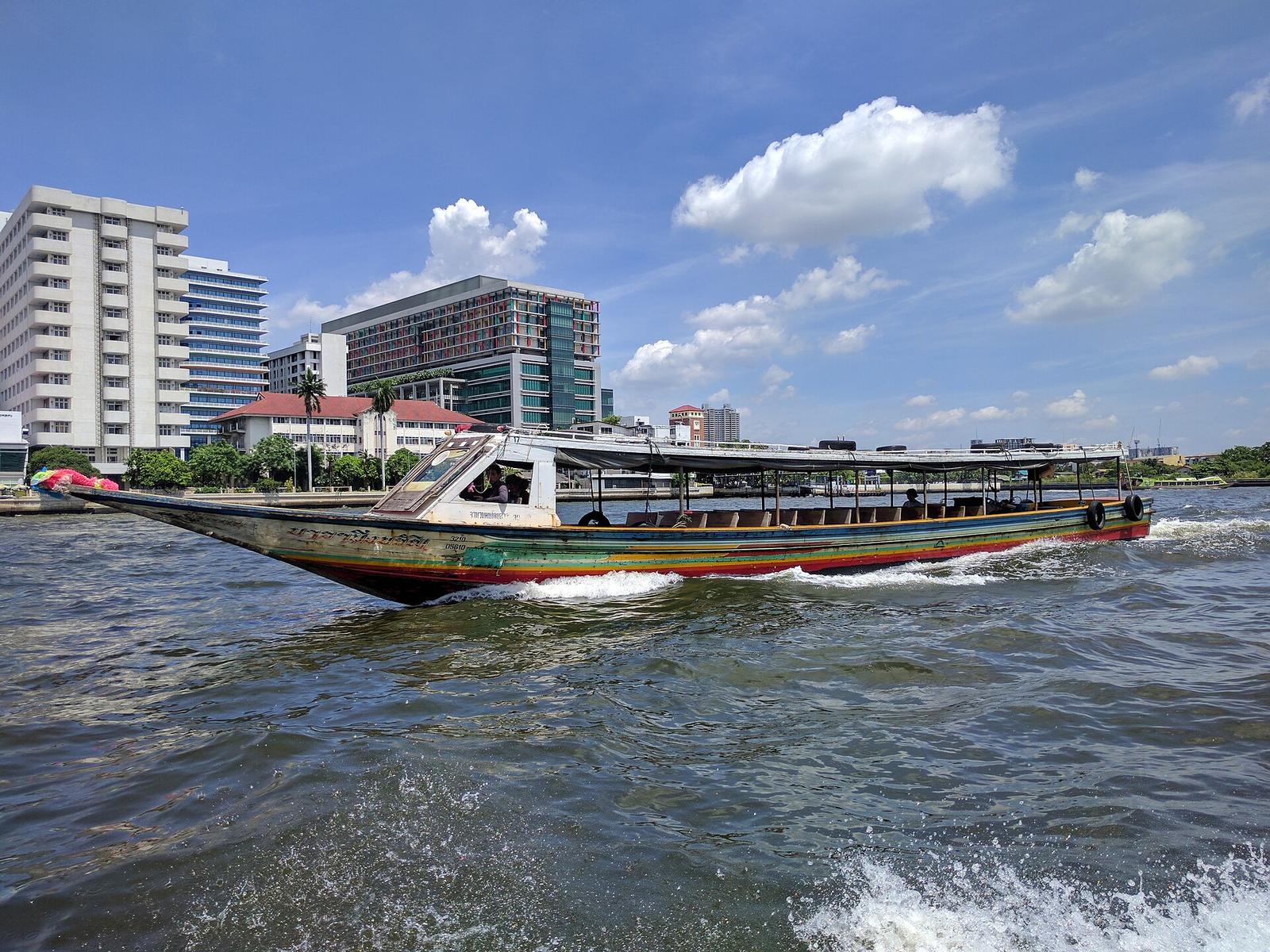
The Bangkok Metropolitan Administration plans to expand the city’s Water Taxi network and renovate inner-city canals to improve water-based transport and urban tourism. These steps align with broader drainage priorities that address seasonal flooding through targeted canal modifications.
Flood Control Funding Details
THB 18 billion is allocated for nine mega Bangkok projects focused on drainage and flood control, including a second bridge over the Chao Phraya River and multiple reinforced concrete dams in canals. Such allocations stem from repeated assessments of existing waterway capacity.
Progress on Major Rail Corridor
Construction on the Bangkok-Nong Khai high-speed railway first phase reached 52.4% completion as of March 2026, with operations expected to commence in 2030. This measured advancement provides the immediate context for new bidding rounds and expansions announced for the coming year.
Agencies are expected to move forward with bidding processes and construction phases already outlined in ministry schedules, subject to standard procurement timelines.