Politics
Bangkok Approves Road Fees, Park Expansion, Canal Upgrades in Major Vote
The BMA council's July session approved three major measures covering road congestion fees, park expansion and canal drainage upgrades, placing Bangkok among a handful of Southeast Asian cities shifting toward user-pays urban infrastructure.
How we reported this
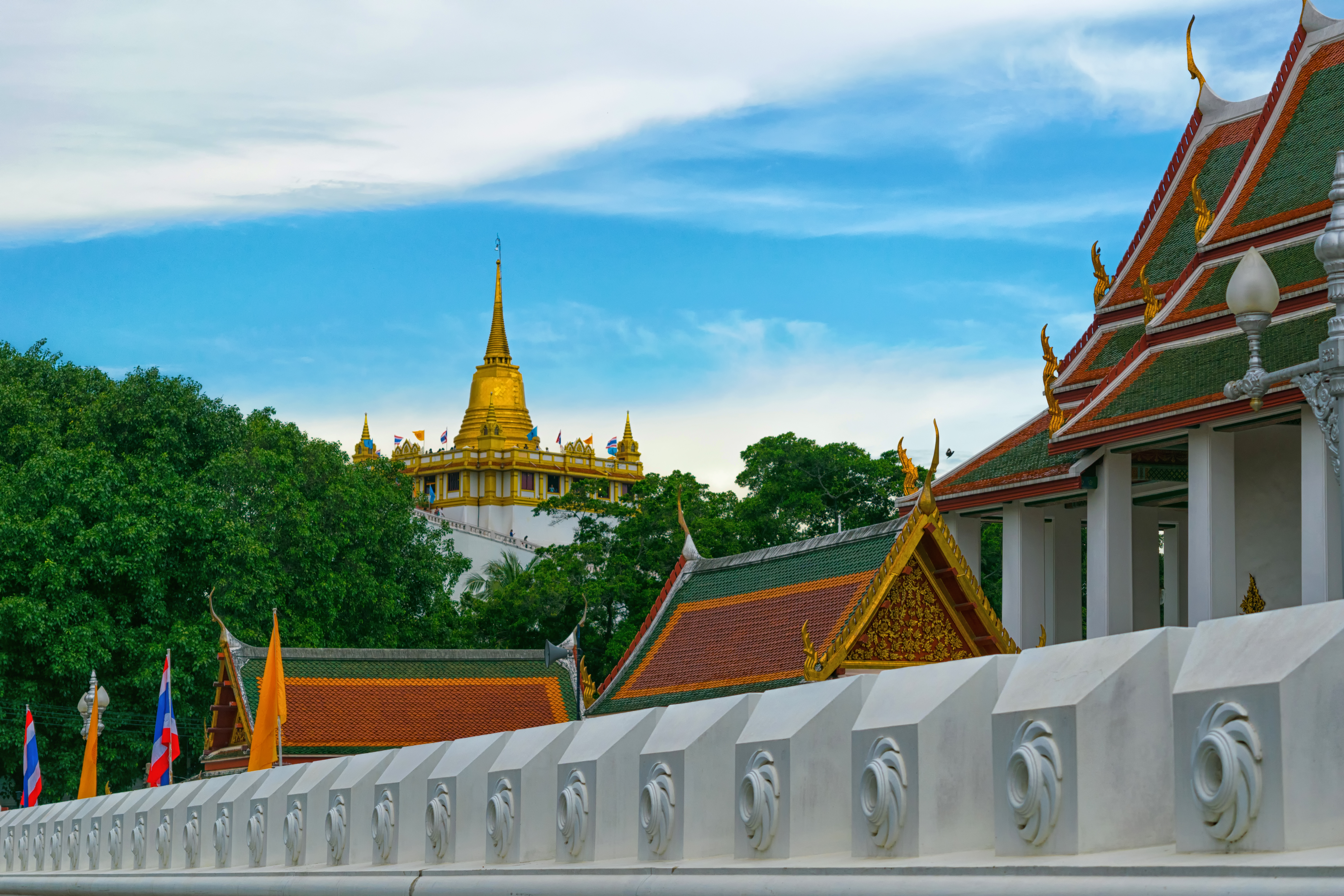
Bangkok's Metropolitan Administration council concluded its July 2026 session last week with binding votes on three policy items that will directly shape how residents commute, access public space and manage flood risk this wet season. The measures, approved across a two-day sitting at the BMA headquarters on Dinso Road, cover a congestion pricing pilot for the inner-ring road network, a 1.2-billion-baht green-space acquisition plan for Lat Phrao and Min Buri districts, and an accelerated budget release for 47 ageing canal drainage pumps citywide.
The timing is not coincidental. Bangkok recorded 38 significant flood incidents in the first six months of 2026, according to the BMA's Drainage and Sewerage Department, a figure that outpaced the same period in 2024 and 2025. Meanwhile, traffic congestion indices compiled by transport research firm INRIX placed Bangkok fourth-worst globally in 2025, with average peak-hour delays of 29 minutes per trip. Both data points had been circulating among council members for months before the session opened on 30 June.
The Congestion Pricing Pilot and How It Compares
The congestion pricing vote was the most contested item on the agenda. The approved framework authorises a six-month pilot, expected to begin in the fourth quarter of 2026, targeting private passenger vehicles entering a defined inner-city zone bounded by the expressway ring during 7 a.m. to 9 a.m. and 5 p.m. to 8 p.m. weekday windows. The proposed fee structure has not been finalised, but the council resolution sets a ceiling of 75 baht per entry and exempts registered motorcycles, public buses and electric vehicles purchased before January 2027.
Policy analysts who have reviewed the resolution note that Bangkok would join Singapore, which introduced electronic road pricing in 1998, and Kuala Lumpur, which launched a smaller expressway-based charge scheme in 2021, as the only Southeast Asian cities operating formal congestion pricing on urban corridors. Stockholm and London are frequently cited comparators in the BMA's own background papers, though both operate in cities with substantially higher mass-transit modal shares than Bangkok's current 30 percent. For residents without access to BTS Skytrain or MRT lines, particularly those in Nonthaburi and Samut Prakan who commute daily into the priced zone, the practical effect will depend heavily on whether the pilot coincides with expanded bus rapid transit feeder services that the Department of Land Transport has separately projected for late 2026.
Green Space and Drainage: Budget Details
The 1.2-billion-baht green-space resolution authorises the BMA to acquire up to 85 rai of privately held land across six sub-districts in Lat Phrao and Min Buri, converting the parcels into community parks and permeable surface zones. The Department of Environment's supporting documents state that Bangkok currently has approximately 6.5 square metres of public green space per resident, well below the World Health Organisation's recommended 9 square metres. Comparable figures for Hanoi sit at roughly 2 square metres per resident, while Kuala Lumpur exceeds 14 square metres, according to a 2024 UN Environment Programme urban green space survey. The land acquisition is expected to close by March 2027, with landscaping and public access projected for late 2027.
The drainage pump resolution releases 340 million baht from the BMA's existing 2026 capital works reserve to refurbish or replace 47 pumping stations, concentrated in Din Daeng, Bueng Kum and Bang Khen districts where flood reports have been most frequent this year. The BMA's Drainage and Sewerage Department says the upgraded stations will increase combined discharge capacity by roughly 180 cubic metres per second across the affected canal network. Residents in those districts have reported recurring street-level flooding within six hours of heavy rain events. Work is expected to begin in August 2026, with 30 of the 47 stations targeted for completion before the peak rainfall months of September and October.
The council will hold a public hearing on the congestion pricing fee schedule in late July, and the BMA's transport committee is required under the resolution to publish a ridership and revenue impact assessment before any charges go live. Residents can register comments through the BMA's online portal or at district offices across the city's 50 districts before the hearing date, which has yet to be confirmed.