policy
Bangkok Mayor Unveils Climate Resilience and Public Transport Initiative Enhancing Urban Mobility and Flood Defences
The new municipal policy aims to reduce flood risk and improve daily commutes for Bangkok residents through expanded transport options and upgraded drainage systems.
How we reported this
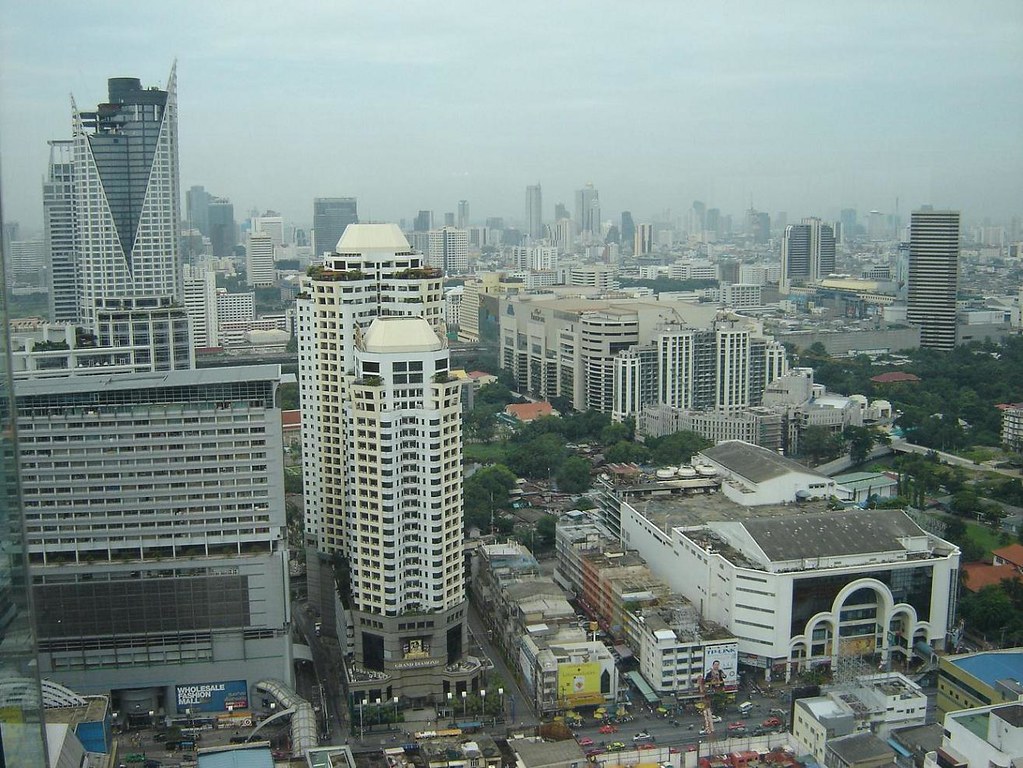
Mayor Suriya Juengsilp announced on July 9 a comprehensive policy package that targets climate resilience and public transportation improvements in Bangkok. The initiative affects all city residents by aiming to alleviate chronic flooding and reduce traffic congestion, two issues that impact daily life and economic activity.
Chronic seasonal flooding has disrupted Bangkok communities for years, with some areas losing days of productive time during heavy rains. Similarly, the city's traffic congestion, ranked among the worst globally, affects commuting times and air quality. The latest policy responds to these persistent problems by introducing targeted infrastructure investments and service enhancements.
What the Policy Means for Residents
Under the new plan, Bangkok authorities will invest 12 billion baht over the next three years to upgrade drainage systems in flood-prone districts, including Bang Kho Laem and Phra Khanong. These works are expected to reduce floodwater accumulation during monsoon season by improving water flow and storage capacity, helping residents avoid property damage and transport disruptions.
Simultaneously, the city will expand its electric bus fleet to 500 vehicles by 2029, a significant increase from the current 120. This measure seeks to offer residents cleaner and more reliable public transport options linking suburban areas to central districts. The government says this will shorten average commute times by up to 15% for daily riders on selected routes through better frequency and infrastructure upgrades like dedicated bus lanes.
The policy also includes the construction of three new cycling corridors connecting key neighborhoods in Dusit and Chatuchak districts with central Bangkok. City officials expect cycling infrastructure to encourage healthier, low-cost travel choices, especially among younger residents and those without private vehicles.
Data and Funding Details
The 12 billion baht budget for drainage improvements is part of the 2026-28 municipal budget approved in April. According to the Bangkok Metropolitan Administration (BMA) budget documents, 7 billion baht will be allocated for upgrading existing drainage canals and pumping stations, with 5 billion dedicated to new stormwater retention ponds.
Regarding public transport, a separate 8 billion baht fund will support the electric bus expansion and cycling infrastructure. These amounts represent about 10% of the BMA’s total capital expenditure budget for the next three years. The policy document cites a target to reduce citywide flooding incidents by 30% and lower transport carbon emissions by 25% by 2030.
Urban policy analysts note that the initiatives align with Bangkok's Climate Change Master Plan 2025, which aims to improve resilience and sustainability through integrated approaches.
Next Steps for Implementation
Groundbreaking on drainage projects is expected to begin in October 2026, with phased completion through the end of 2028. Electric buses are set to be incrementally introduced starting in early 2027, timed with expanded charging infrastructure deployment.
The BMA will monitor flood levels and commute times regularly to assess progress. Public outreach campaigns are planned to encourage cycling uptake and inform residents of route changes and service enhancements.
For Bangkok residents, the policy promises tangible improvements in daily mobility and reduced weather-related disruptions, although full benefits may take several years to materialize as projects reach completion.