policy
Bangkok council approves transport subsidy cut; low-income commuters face higher fares
The city's budget adjustment will reduce public transport support from 2.1 billion baht to 1.8 billion baht annually, expected to push fares up for the city's poorest riders.
How we reported this
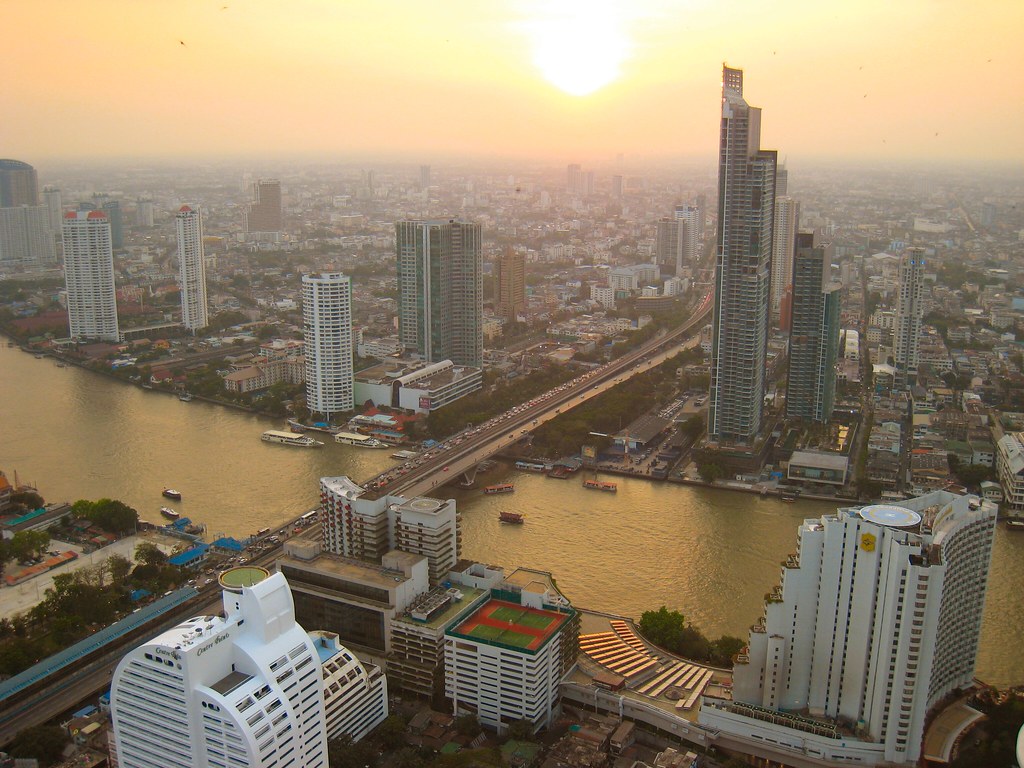
Bangkok's city council voted 31-18 on Thursday to reduce annual funding for public transport subsidies, a move that will directly affect the roughly 4.2 million daily commuters who rely on buses, boats and the Chao Phraya Express for work and school. The decision cuts the transport support allocation from 2.1 billion baht to 1.8 billion baht in the 2027 fiscal year, a reduction the council says is necessary to fund road maintenance projects in outer districts.
The timing reflects broader pressure on Bangkok's budget. The city's revenue from property taxes and parking fees declined 8 percent year-on-year in the first half of 2026, according to the Finance Department's mid-year report released last month. Officials say the subsidy reduction is unavoidable without raising property transfer taxes, which the council rejected in a separate vote on Wednesday. The transport authority says it will absorb some costs through operational efficiency gains, but transport analysts note that bus operators have already trimmed routes in low-density areas over the past two years.
Who pays more, and when
The subsidy cut will first affect regular bus fares. Commuters using the 23 diesel bus lines that operate under the Bangkok Mass Transit Authority stand to face fare increases starting September, when the new budget year begins. A single journey currently costs 8 baht in inner Bangkok and 11-13 baht in outer zones. The transport authority has not yet announced specific increases, but financial modelling presented to council suggests fares could rise between 1-2 baht per journey to offset the lost subsidy. For a worker making two round trips daily, that equals an extra 40-80 baht monthly, roughly 480-960 baht annually.
The impact falls heaviest on lower-income residents. Data from the Office of Transport and Traffic Policy and Planning shows that 71 percent of Bangkok bus riders earn below 20,000 baht monthly. Students, domestic workers and service sector employees-groups concentrated in bus-dependent outer districts like Khlong Toei, Nong Chok and Minburi-will absorb most of the burden. Water buses on the Chao Phraya, which serve commuters from Thonburi to northern suburbs, also receive subsidy support and could face fare pressure, though the transport authority says it will prioritize protecting the cheapest routes.
The trade-off: roads versus transit
Council members who backed the subsidy cut argued the funds were essential for repairing roads in peripheral neighborhoods. The 300 million baht freed by the transport cut will go toward patching highways in Samut Prakan, Pathum Thani and eastern zones, areas where local councils have submitted urgent repair requests. Transport committee chair Somchai Wattanachai told the council that outer-district residents had complained more about road conditions than about bus fares during recent public hearings, a claim that data from the city's 311 complaint line partially supports-road and pothole complaints outnumbered transit complaints 3:2 in May and June.
What happens next depends on how the transport authority chooses to implement cuts. Officials must file a detailed fare adjustment proposal with the National Transport Commission by August 15, which then has 30 days to approve or reject it. If approved, new fares take effect in September. If rejected, the transport authority may instead reduce service frequency on lower-ridership routes, which would mean longer wait times rather than higher costs for some commuters. The council will reconvene in September to review the actual implementation and decide whether to revisit the subsidy decision if ridership data shows significant drops.