policy
Bangkok Council Approves Expanded Green Transport Fund to Ease Urban Traffic
The new fund aims to boost public transport and reduce vehicle emissions, affecting daily commutes for millions in Bangkok.
How we reported this
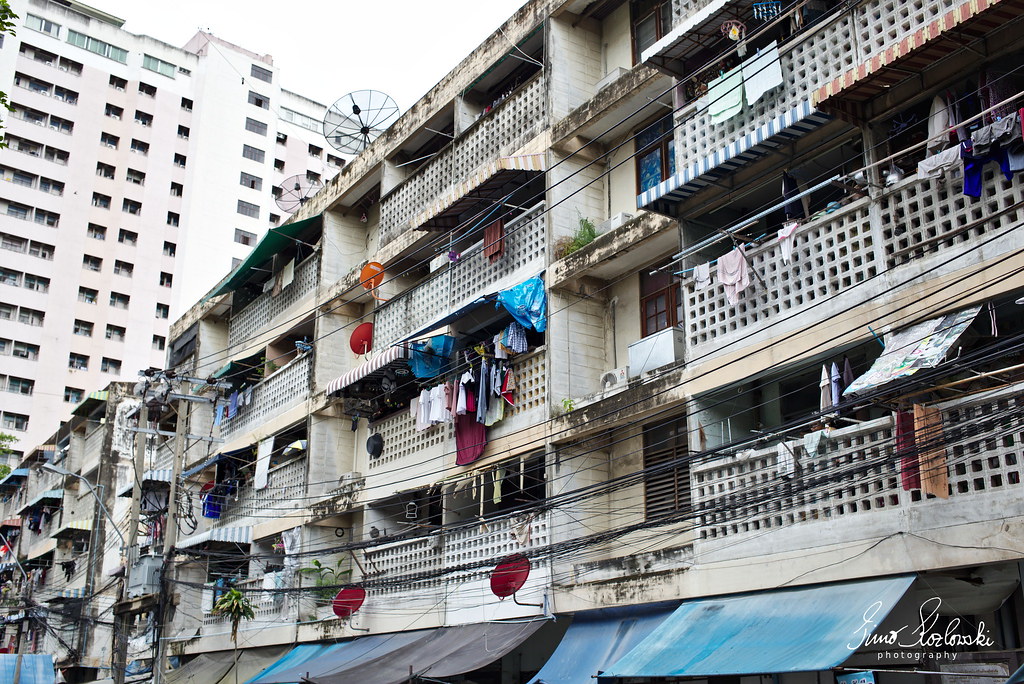
The Bangkok Metropolitan Council approved a 3.5 billion baht expansion of the city’s Green Transport Fund at its July 10 meeting. The policy targets increased investment in electric buses, cycling infrastructure, and pedestrian-friendly streets. The change will affect the city’s commuters, particularly those relying on public transport and non-motorized travel within the capital’s 50 districts.
As traffic congestion and air pollution worsen in Bangkok, local government officials say this policy shift responds to growing community demand for cleaner, more efficient transportation options. Recent data from the Pollution Control Department shows that the capital’s average PM2.5 levels have exceeded safe limits on 45 days in the first half of 2026, increasing public health concerns. Policy analysts note that improved transport planning is seen as a necessary step to curb pollution and reduce the economic costs caused by traffic delays, which the Bank of Thailand estimates amount to 200 billion baht annually.
Implications for Daily Commuters and Residents
The initiative will result in an immediate increase in the electric bus fleet by 150 vehicles, projected to cover additional routes across the city by late 2027. This expansion is expected to benefit working residents in the Bang Sue and Chatuchak districts who currently experience unreliable bus schedules. Furthermore, a budget allocation of 1.2 billion baht is assigned to develop 50 kilometers of dedicated cycling lanes and pedestrian zones in densely populated areas such as Ratchathewi and Huai Khwang. Local advocates highlight that this will promote healthier travel choices and improve accessibility for elderly and disabled residents.
Funding also includes support for installing solar-powered charging stations for electric vehicles in public parking areas, aimed at residents transitioning away from fossil-fuel cars. The policy documents specify a goal to reduce Bangkok’s transport emissions by 18 percent by 2030 compared to 2025 levels, aligning with the city’s Climate Action Plan updated last year.
Data Underpinning the Policy and Next Steps
The expanded fund represents a 40 percent increase over last year’s transport budget allocation in Bangkok, reflecting a prioritisation of sustainable urban development. The City Planning Department reports that private vehicle ownership has grown by 5 percent annually since 2023, exacerbating road congestion and pollution. These trends inform the city’s strategy to encourage a modal shift towards public and active transport.
The government says the policy rollout will begin with a public consultation phase scheduled for August, aiming to incorporate feedback from community groups and transport user associations. Implementation is projected in two phases, with the first focusing on bus fleet upgrades and infrastructure development starting in early 2027, followed by expanded cycling and pedestrian projects through 2028. Monitoring frameworks will include regular reporting of air quality and bus ridership metrics to evaluate progress.
Overall, Bangkok residents can expect improved public transport options and more walkable neighborhoods as the city moves forward with this expanded Green Transport Fund, a key component of its effort to address traffic and environmental challenges faced daily by millions in the capital.