policy
Bangkok Mass Transit Expansion Plan Sets New Timelines for 2026-2030 Service Rollout
The capital's commuters face significant changes to daily travel patterns as the Bangkok Metropolitan Administration green-lights three new transit corridors expected to reshape transport options for residents across the city's outer districts.
How we reported this
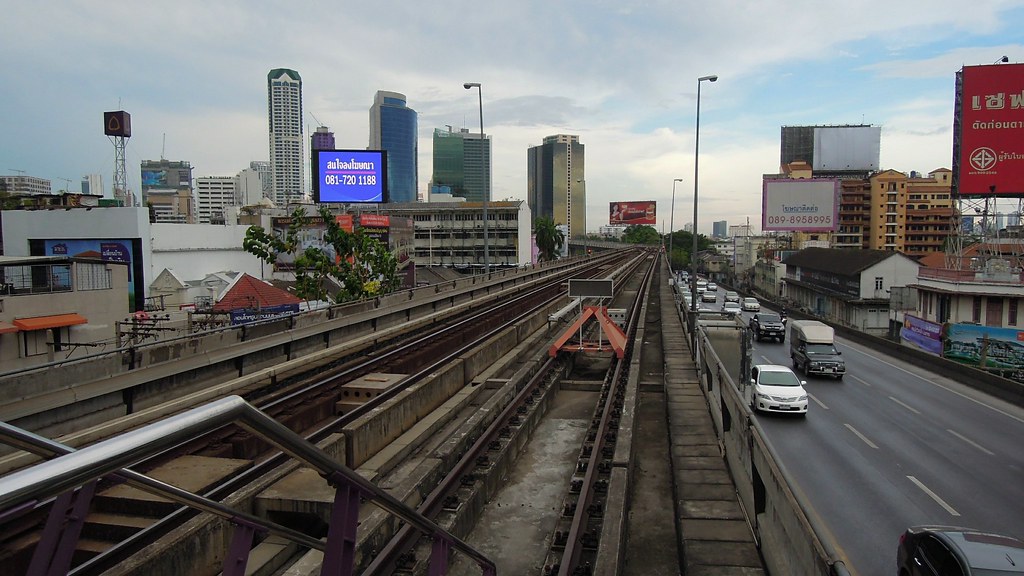
Bangkok officials have formally approved a five-year mass transit expansion programme targeting completion of three new elevated rail lines and extended bus rapid transit corridors by 2030, according to documents filed with the Bangkok Metropolitan Administration transport committee in June 2026. The project will connect currently underserved areas on the capital's eastern and northern edges to existing expressways and the central metro network, directly affecting commute times and housing accessibility for residents in districts including Sai Mai, Khlong Sam Wa, and Bang Bua Thong.
The expansion addresses a critical service gap. Bangkok's existing Skytrain and Metro network covers roughly 120 kilometres across central commercial zones, but leaves outer residential areas with primary reliance on bus and personal vehicle transport. Traffic congestion in districts beyond the inner ring road cost the city an estimated 1.4 trillion baht annually in lost productivity and fuel consumption, according to 2024 research from the Thailand Development Research Institute. Officials say the new lines are expected to reduce average commute times by 25 to 40 minutes for residents in targeted areas and create an estimated 8,000 construction jobs during the building phase.
What Changes for Daily Commuters
Residents and workers in Sai Mai district, home to approximately 580,000 people, will gain direct rail access to the Chatuchak area and northern business zones through a proposed 24-kilometre elevated corridor. The route is expected to be operational by late 2028, with initial service running at 10-minute intervals during peak hours. Similarly, the Khlong Sam Wa extension will link that district's manufacturing and logistics zones directly to the Sukhumvit corridor, reducing the current 90-minute commute to under 40 minutes for workers crossing the city daily.
The bus rapid transit upgrade, covering 34 kilometres across six routes, carries separate implications for lower-income residents who currently depend on standard buses. The new dedicated lanes will serve communities in Nong Chok and Phrakhanak that have limited metro access. The Bangkok Mass Transit Authority estimates fare costs for these new services will match current Skytrain pricing at 15 to 42 baht per trip, though the administration has not yet confirmed final fare structures.
Budget and Timeline Reality
The administration allocated 87.3 billion baht from the Bangkok metropolitan budget and anticipated national infrastructure funding for the three-year construction phase beginning September 2026. Environmental impact assessments completed in May 2026 identified three residential areas requiring relocation support, affecting approximately 1,200 households. The administration says compensation packages will be finalized by September 2026, with relocation assistance capped at 3.2 million baht per household for land and structure replacement, though affected residents have requested higher compensation figures through formal petitions filed with the district offices.
Property values in planned transit corridors have already begun shifting. Real estate transactions in Sai Mai increased 18 percent in the second quarter of 2026 compared to the same period last year, according to the Thai Real Estate Information Centre. First-time homebuyers in these areas now face higher entry prices despite the transit improvements still being under construction.
The administration expects to begin detailed design work in September 2026, with actual construction crews mobilizing by early 2027. Officials say project completion dates assume no major delays from land disputes or utility relocations, factors that have extended similar Bangkok projects by 12 to 24 months in past years. Public hearings on route finalization and station locations are scheduled through August 2026 across affected districts.