policy
Bangkok's New Mixed-Use Zoning Rules Reshape Where Residents Can Live and Work
The Bangkok Metropolitan Administration's updated zoning code allows residential buildings to include ground-floor commercial space, a shift that property owners say will cut costs but raises concerns among local business operators about competition.
How we reported this
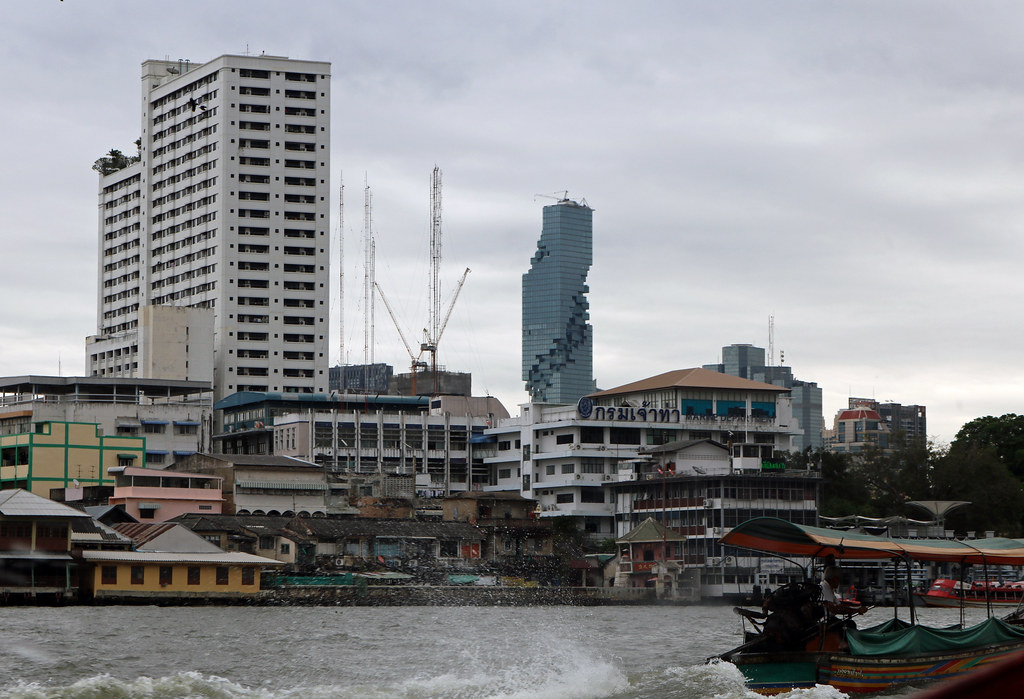
Bangkok's zoning authority has approved changes to mixed-use development rules that permit residential buildings to incorporate retail and office space on lower floors, a decision that affects property developers, residents, and shopkeepers across the city. The Bangkok Metropolitan Administration announced the revised regulations on July 8, removing restrictions that previously required separate zoning designations for residential and commercial properties. The change applies immediately to new construction permits and renewal applications.
The policy shift comes as Bangkok's property market faces pressure from rising construction costs and slowing housing sales. Real estate analysts note that developers have faced financial constraints when required to build separate commercial and residential structures on limited land parcels. The new rules allow a single building to serve dual purposes, potentially reducing infrastructure duplication and lowering the cost per unit for housing. The BMA stated the change aims to encourage more efficient land use across the city's 1,568 square kilometers, particularly in secondary business districts where land availability has become scarce.
What Changes for Bangkok Residents and Shop Owners
Under the revised regulations, a residential condominium or apartment tower can now include a ground floor and lower levels dedicated to shops, restaurants, gyms, clinics, or offices without requiring separate zoning approval. For residents in new mixed-use buildings, this means amenities may be steps away rather than requiring a trip across the neighborhood. A 25-story residential project in the Ratchaprasong area that began planning under the old rules could have been forced to build a separate commercial structure; under the new code, developers can integrate these uses into a single complex.
The change creates competitive concerns for established shop owners. Small retailers operating in standalone buildings on residential streets worry that ground-floor commercial space in new residential towers will draw customer foot traffic away from their locations. The Bangkok Retailers Association raised questions about the market impact during a July 10 consultation meeting with the BMA, though the administration proceeded with implementation. Property developers counter that the new rules apply only to new construction, leaving existing standalone shops unaffected by zoning changes.
Data and Implementation Timeline
The BMA reported that 340 residential projects were pending final approval under the old zoning structure as of June 30. Of those, the administration expects approximately 180 projects to modify their plans to incorporate mixed-use design under the new rules, potentially reducing construction costs by 8 to 12 percent according to preliminary developer estimates. The BMA did not provide official cost projections. Building permits issued after July 8 must comply with the new mixed-use standards, though projects that completed design review before that date may proceed under previous regulations if the developer requests a exemption.
Residents in existing apartments and condominiums will see no immediate changes. The regulation affects new buildings and renovation projects that expand a structure's footprint by more than 20 percent. For Bangkok households choosing where to rent or buy, the policy is expected to increase the supply of ground-floor commercial and service options within residential neighborhoods, particularly in Phrom Phong, Ari, and On Nut districts where development is concentrated.
The BMA Building Control Division will begin issuing updated design guidelines by August 1. Developers submitting plans after that date must include parking and loading zones that accommodate both residential and commercial traffic. The administration said it will monitor the impact of mixed-use buildings on neighborhood traffic patterns through 2027, with a review scheduled for Q4 next year to determine whether additional rules are needed.