Politics
Bangkok Government Locks in THB20 Electric Train Fares Through 2026
The planned flat THB20 fare on all Bangkok mass transit lines is expected to directly affect household transport spending for daily commuters.
How we reported this
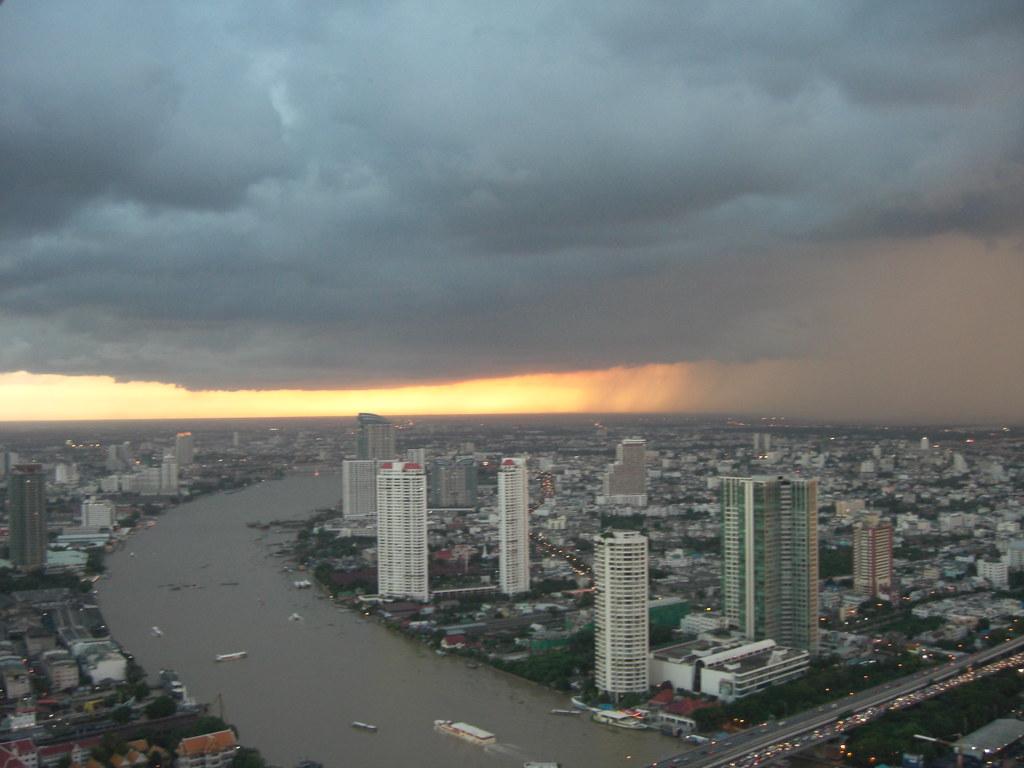
The Thai government plans to buy back concessions for all electric train lines in Bangkok by 2026. This step would allow enforcement of a single flat THB20 fare across every mass transit line in the city. Residents who rely on BTS, MRT and other rail services for work and daily travel would see the change first in their monthly transport costs.
Budget allocations for 2026
Bangkok's 2026 budget includes several transport and pedestrian projects that connect to the fare change. These cover construction of BTS Skywalks, 150 new bus shelters, one pedestrian bridge over the Chao Phraya River and two new public hospitals. The Bangkok Metropolitan Administration also plans to upgrade an additional 340 km of footpaths in 2026 after completing more than 1,100 km by 2025. These measures are intended to improve access to stations and bus stops for local households.
The national 2025-2026 infrastructure plan lists 223 projects for 2025 valued at 136.49 billion baht and 64 projects for 2026 valued at 116.96 billion baht. The plan aims to position Thailand as a regional transport hub. For Bangkok residents the immediate household effect comes from lower and more predictable rail fares rather than the larger national projects.
Next steps for ticketing and connectivity
The Ministry of Transport is accelerating work on a unified common ticketing system for all Bangkok electric rail lines, with completion targeted for 2027. The same ministry is also advancing the Land Bridge megaproject. These two initiatives are listed separately from the 2026 fare buy-back and will determine how residents move between rail lines and other transport modes after the flat fare takes effect.
Current rail concessions end at different times, so the buy-back process must be completed before the THB20 fare can apply uniformly. The government has stated the policy will reduce the number of separate tickets commuters need each day. No other changes to fares or concession terms appear in the verified project lists for 2026.
Residents who currently pay varying fares on different lines will be able to calculate a single daily or monthly transport cost once the flat rate begins. The additional footpath upgrades and new bus shelters are scheduled to begin in the same budget year, providing direct walking routes to stations for households in affected districts.
References Sourced but Not Limited to:
- southeastasiainfra.com · Bma allocates funds for infrastructure and transport upgrades in 2026...
- southeastasiainfra.com · Thailand plans buyback of bangkok train lines by 2026
- en.thairath.co.th · Governmentpolicy
- en.thairath.co.th · Governmentpolicy
- thailand.go.th · Thailand unveils 2025 2026 key infrastructure development plan...