property
How Bangkok’s Rental Market Shifts Impact Tenants and Landlords
A surge in rental demand is squeezing tenants while offering landlords new opportunities in the city’s changing property landscape.
How we reported this
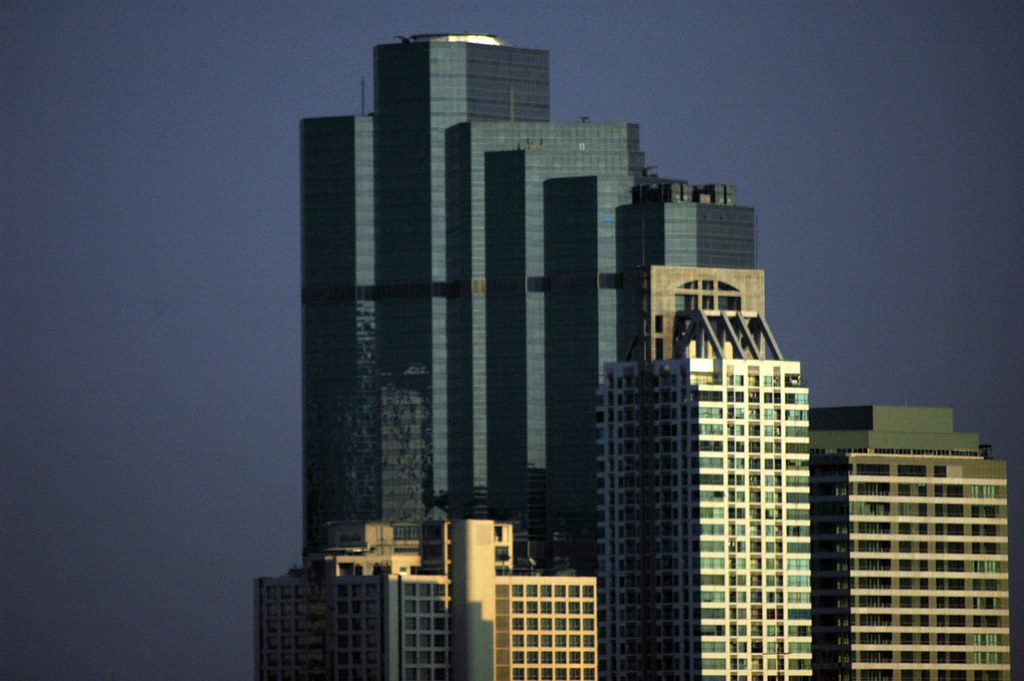
Rental prices in Bangkok have climbed steadily over the past year, leaving tenants in popular districts like Ari and On Nut grappling with affordability, even as landlords capitalise on stronger returns. According to the latest market report by CBRE Thailand, average rental rates in these areas have increased by approximately 8% since mid-2025.
This tightening in the rental market comes amid a broader surge in urban migration and a scarcity of new rental stock in prime neighbourhoods. For tenants, this translates to tougher competition and fewer options, while landlords are navigating how to maximise income without losing good tenants.
Strong Demand Concentrated in Emerging and Established Neighbourhoods
Bangkok’s rental pressure is most acute in districts where office clusters, dining, and lifestyle amenities draw young professionals and expats. Ari, known for its boutique cafes and quiet streets, has seen rental rates rise to an average of THB 550 per square metre, according to the Thailand Real Estate Information Center. Meanwhile, On Nut attracts a mix of local workers and international residents due to its proximity to BTS Skytrain links and affordable shopping options, with rents rising to about THB 420 per square metre.
Landlords operating through agencies such as Knight Frank Thailand report increased tenant enquiries but also note a trend: longer vacancy periods in luxury areas like Thonglor, where monthly rents average THB 1,200 per square metre. This suggests tiered demand related to affordability and location preferences within the city.
Statistics Reflect Growing Strain and Opportunity
Data from the Bank of Thailand reveals that vacancy rates across the wider Bangkok rental market have fallen to 3.8% in Q2 2026, marking a decrease from 5.1% a year earlier. Meanwhile, average rents citywide climbed from THB 510 to THB 560 per square metre over the same period. However, this growth is uneven; premium districts like Silom maintain high occupancy but are constrained by the 49% foreign ownership cap that limits new rental developments aimed at expatriates.
Tenants face mounting pressure, with many budgeting over 40% of monthly income for rent, a figure highlighted in a recent Chulalongkorn University urban studies paper. This imbalance is sparking increased interest in co-living and shared housing projects, which offer lower per-person costs but are rarely regulated or formally tracked.
Landlords, on the other hand, are benefitting from rising rents but face challenges in retaining long-term tenants amid price sensitivity. Some are responding by modernising buildings and including incentives such as internet and utilities to justify higher monthly rents.
Looking ahead, the Bangkok Metropolitan Administration plans to increase incentives for mid-range housing developments near new public transport expansions, potentially easing rental pressure in districts like Rama IX and Bang Na. For tenants, staying informed about new projects and engaging local property agents for tailored options remains critical in this competitive market.
Meanwhile, landlords should monitor shifts in demand carefully, balancing rent hikes with tenant retention strategies to maintain occupancy. Both groups benefit from close attention to rental market reports from agencies like CBRE and the Real Estate Information Center to navigate the city’s evolving property climate.
This article is general information only and is not personal financial or investment advice. Consider your own circumstances and seek licensed professional advice before making financial decisions.