property
Bangkok Rental Market Tightens as Tenants Face Rising Costs and Landlords Adjust Strategies
Rising demand and limited supply in Bangkok’s rental sector are reshaping conditions for tenants and landlords alike, with uneven impacts across the city’s key districts.
How we reported this
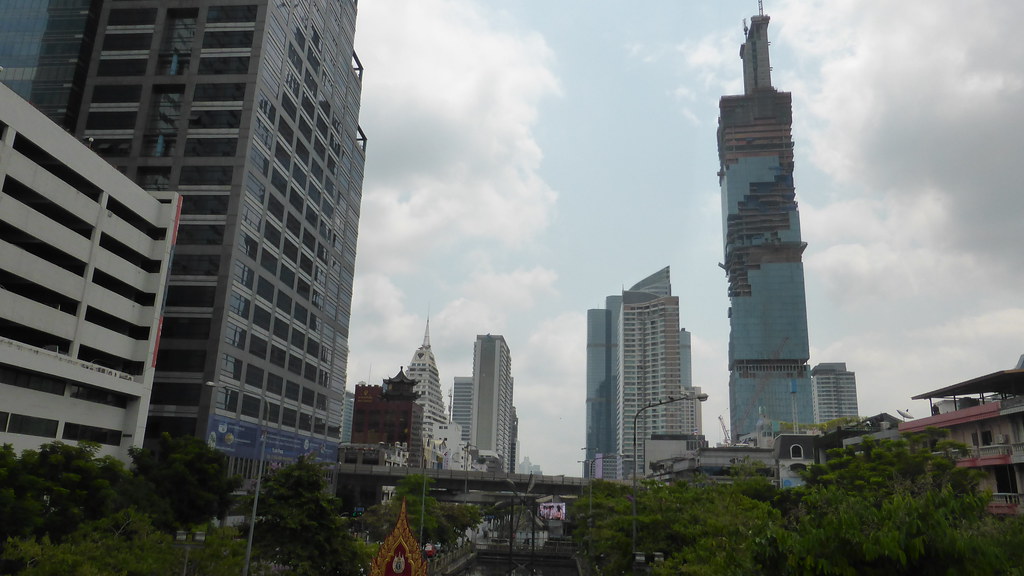
Rental prices in Bangkok have increased by 8% year-on-year as of mid-2026, according to the latest market report from the Thailand Real Estate Information Center (REIC). This surge is putting pressure on tenants, while landlords grapple with balancing higher income expectations against vacancy risks.
Rising Costs Trigger Tenant Concerns and Relocation in Key Districts
The current spike in rental rates follows years of gradual recovery from pandemic-related declines. High demand for mid-range to luxury apartments in popular areas like Sukhumvit and Thonglor has intensified, driven by returning expatriates and local workers. These neighborhoods remain hotspots, where average monthly rents for condominiums now average between THB 35,000 to THB 50,000, according to a July 2026 Colliers Thailand report.
Tenants in Ari and On Nut, historically more affordable alternatives, are also feeling the strain as rental growth there nears 6% annually. The Chulalongkorn University Housing Office recently surveyed students and found that 40% report difficulty in finding accommodations within their budgets, highlighting affordability pressures beyond the expat market.
Landlords Navigate Competing Pressures Amid Regulatory Limits
Bangkok landlords face conflicting demands. Those owning properties near investment hubs such as Silom are raising rents to compensate for higher maintenance and administrative costs. However, the 49% foreign ownership cap in Thailand limits some investors from capitalizing fully on overseas demand, an issue frequently cited in discussions by the Thailand Real Estate Association.
Data from Thailand’s Ministry of Finance indicates that landlords have seen net rental yields hover around 4%-6% for prime locations in Sukhumvit, a modest return given rising operational expenses. Meanwhile, supply shortages in new rental units compound the situation, particularly for high-quality apartments sought by professionals working in Bangkok’s expanding technology and financial sectors.
Consumer advice groups such as the Bangkok Property Tenants Network recommend prospective renters conduct thorough market comparisons and negotiate lease terms carefully, considering options like longer leases for rate stability. Landlords are also encouraged to invest in property upgrades and flexible rental packages to attract quality tenants and reduce turnover.
Looking ahead, rental market watchers suggest that if economic growth in Bangkok sustains, rental prices may continue to climb moderately through 2026-2027, barring major shifts in government housing policy or international capital flows. Tenants and landlords alike will need to adapt to this evolving landscape, balancing affordability with asset value preservation.
This article is general information only and is not personal financial or investment advice. Consider your own circumstances and seek licensed professional advice before making financial decisions.