property
Bangkok Luxury Properties Surge While Suburban Market Faces Oversupply
New development launches in central Bangkok are expected to reach higher price points, while the broader market faces a period of gradual recovery.
How we reported this
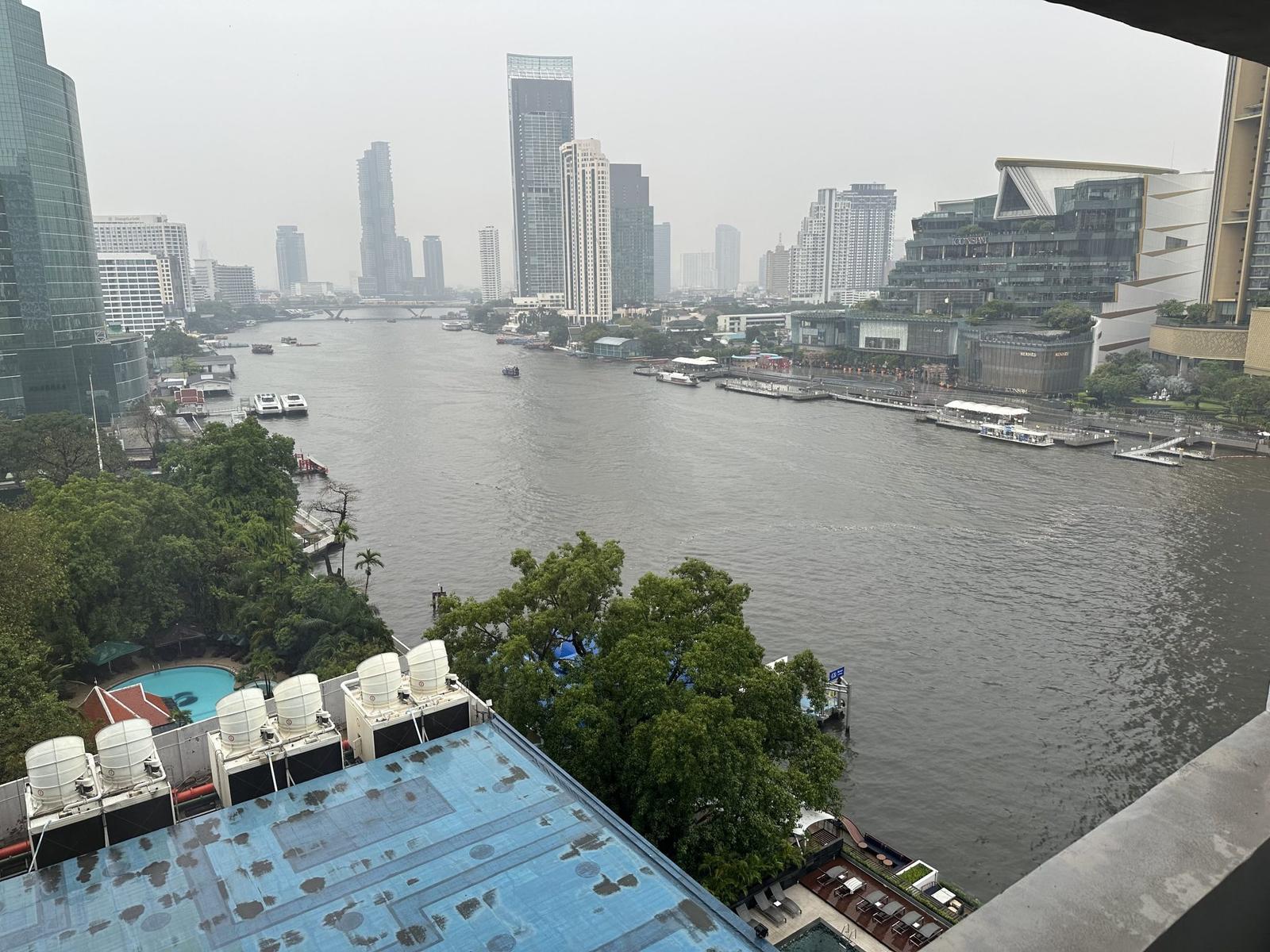
The Bangkok property market in 2026 continues to display a stark divide between prime central areas and suburban developments. According to reports, property prices across the city are forecast to grow by 2% to 3.5% year-on-year. However, this growth is not uniform; luxury downtown condominiums are showing potential for price increases of up to 15%, while midtown and suburban segments may see a decline of up to 10%.
The Divergence in New Developments
Data indicates that the premium tier is moving at a different pace than the rest of the market. New luxury launches in the city center are forecast to reach 315,000 baht per square meter by the end of 2025, representing a 1.6% annual increase. In contrast, residential projects in suburban areas remain nearly stagnant, with prices hovering around 84,000 baht per square meter. This disparity reflects the current appetite for high-end real estate, even as other segments struggle with inventory pressures.
As of the start of 2026, average condominium prices in Bangkok sit at approximately 150,000 baht per square meter, with a median of 125,000 baht per square meter. Properties situated in prime central areas exhibit a broader range, typically between 160,000 and 300,000 baht per square meter.
Market Outlook and Recovery
The property sector is currently navigating high inventory oversupply and significant challenges in financing. Reports highlight that mortgage rejection rates for affordable homes have reached as high as 70%. These factors have prompted experts to project a gradual two to three-year recovery phase for the market rather than an immediate speculative spike.
Looking at the longer term, the five-year total forecast for Bangkok property prices is between 20% and 30%, which translates to a compound annual growth rate of 3.7% to 5.4%. For buyers and investors, the current environment suggests a period of stabilization, where the focus remains on the absorption of existing stock and a cautious approach toward new developments in non-central locations. Market participants are advised to monitor the balance between high-end demand and the availability of affordable units as the sector moves toward a steadier cycle of growth.
Produced with AI assistance and reviewed against our editorial standards. Sources are linked where available. Spotted an error or need a correction? Contact corrections@dailynetwork.news.
This article is general information only and is not personal financial or investment advice. Consider your own circumstances and seek licensed professional advice before making financial decisions.