property
Bangkok Office Vacancy Soars to 31.8%, Highest in 26 Years
Prime office vacancy exceeds 30% for the first time in 26 years, driven by 654,000 sqm of new space and a flight-to-quality trend reshaping landlord strategies.
How we reported this
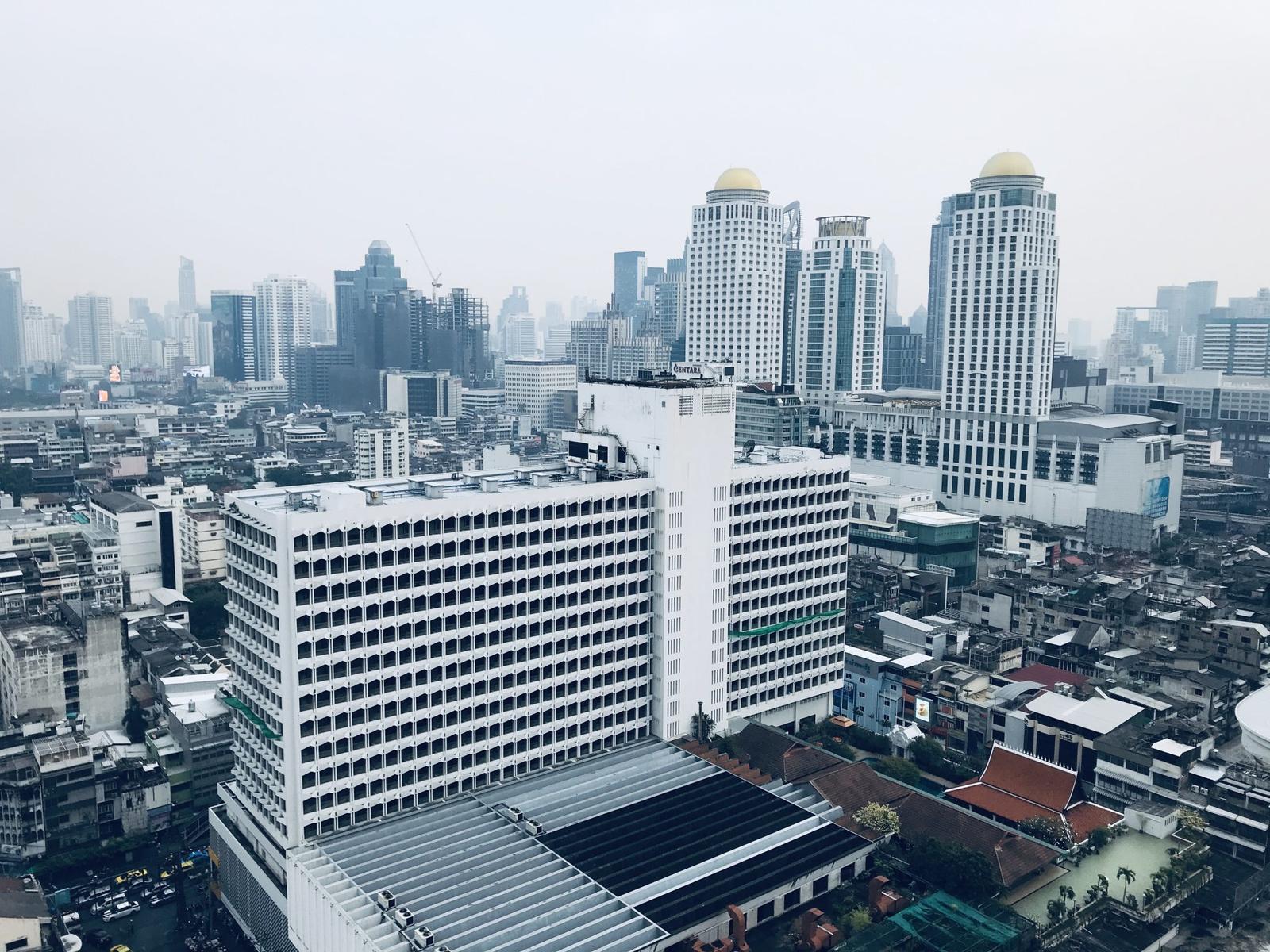
Bangkok's prime office market has crossed a historic threshold. Vacancy rates hit 31.8% in the first quarter of 2026, marking the first time the figure has exceeded 30% since 2000, according to data from JLL. The record-high vacancy comes as large-scale new completions collide with a persistent flight-to-quality trend that has pushed tenants toward premium buildings while older stock struggles [1][2].
The Supply Wave
More than 654,000 square metres of new office space is scheduled to complete between 2025 and 2027, with over half concentrated in the Central Business District [3]. That influx is intensifying competition among landlords, forcing older buildings outside the core to slash rents to attract and retain tenants. The dynamic has created a stark bifurcation: premium Grade A assets continue to see leasing momentum even as the overall market softens [2][8].
Rent Outlook
Average prime office rents are projected to fall to approximately 950 baht per square metre per month in 2025, down from stable levels of around 1,100 baht/sqm/month that held between 2020 and 2022, reports Mordor Intelligence [4]. While the headline decline appears modest, the gap between asking rents and effective rents, after tenant improvement allowances, rent-free periods and other concessions, has widened significantly as landlords compete for a shrinking pool of blue-chip tenants [2][6].
For investors, the takeaway is clear: gross yields on older office buildings are being squeezed, while high-quality assets in the CBD command a premium that partly offsets the vacancy risk. The flight-to-quality trend has concentrated demand in a handful of towers along Sukhumvit and Sathon, leaving secondary locations with deepening vacancies [5][7].
Retail and Industrial Bright Spots
Not all commercial segments are suffering. Bangkok's prime retail sector remains comparatively resilient, with a vacancy rate of just 4.6%, according to CBRE Thailand [5]. Meanwhile, industrial land demand in the Eastern Economic Corridor is surging, fuelled by Chinese manufacturing investment that has flowed into the region as supply chains shift [5]. Those pockets of strength offer alternative yield opportunities for investors willing to look beyond downtown offices.
Looking ahead, the next two years will test the resilience of the Bangkok office market. With the largest supply pipeline in decades converging on a market that is already under-absorbing space, further downward pressure on rents and values is likely, particularly for buildings that cannot justify the premium required by the flight-to-quality current [8][10].
This article is general information only and is not personal financial or investment advice. Consider your own circumstances and seek licensed professional advice before making financial decisions.