Technology
Why Bangkok's Tech Ecosystem Punches Above Its Weight on the Global Stage
A unique blend of Southeast Asian connectivity, government backing, and grassroots innovation is positioning Thailand's capital as a serious rival to established tech hubs.
How we reported this
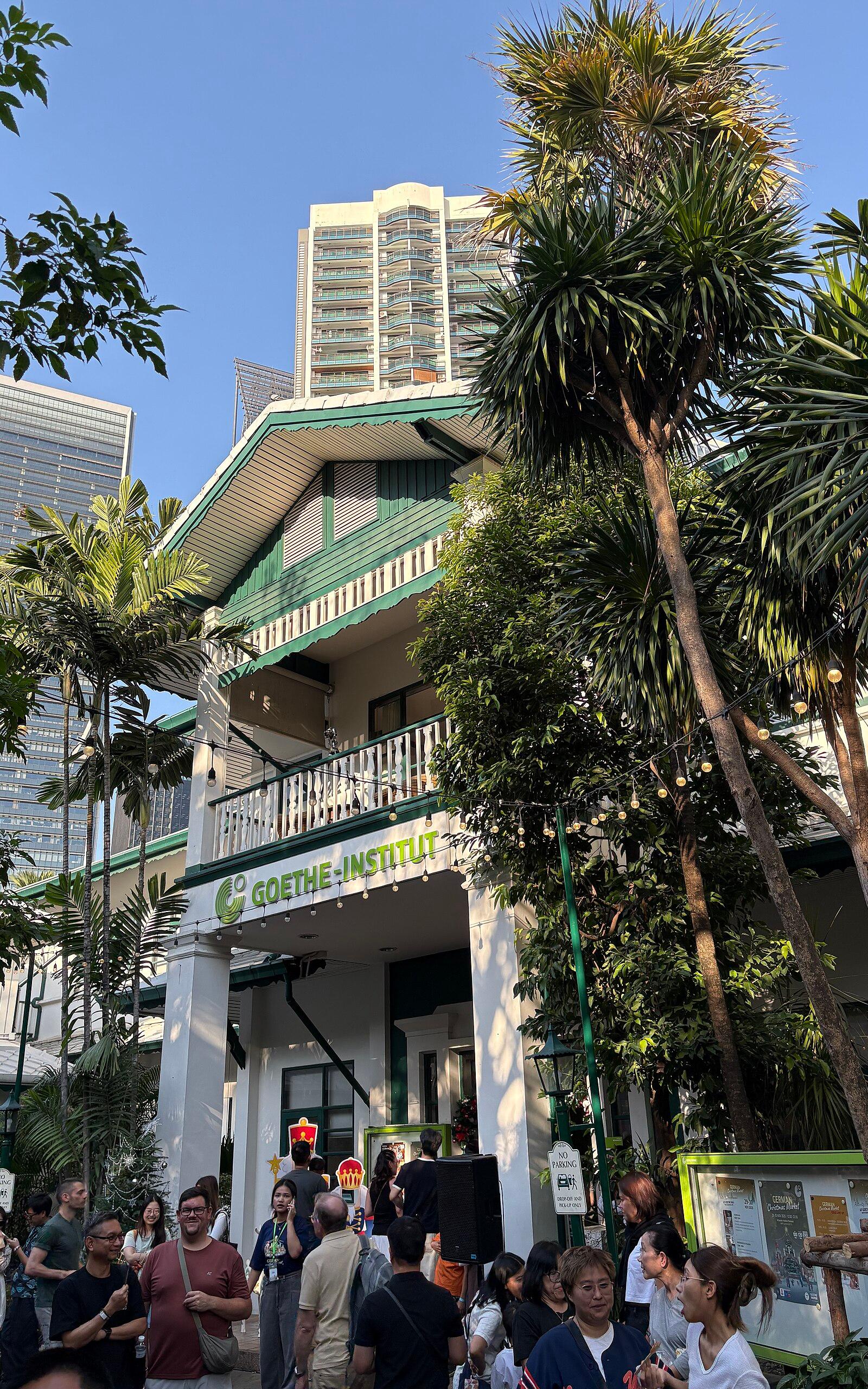
Walk through the converted shophouses of Thonglor or the gleaming office towers clustered near Phetchburi Road, and you'll notice something that distinguishes Bangkok's tech scene from Silicon Valley or Singapore: scrappy ambition meets institutional support in ways few cities have managed.
The numbers tell part of the story. Thailand's government has invested heavily in digital infrastructure, with the Digital Economy Promotion Agency allocating over 40 billion baht annually to tech development. More tellingly, Bangkok now hosts over 1,200 registered startups-a figure that's grown 30 percent year-on-year-with a combined valuation exceeding $8 billion. Yet unlike more mature markets, most founders here remain hungry rather than complacent.
What makes Bangkok distinctive isn't just capital availability. It's geographic positioning. As a regional hub connecting 600 million people across Southeast Asia, Bangkok-based companies face a built-in marketplace across the ASEAN bloc. Firms like Eathai and Fintech platforms headquartered here naturally scale across borders in ways that challenge the Silicon Valley assumption that global means English-speaking North America first.
The physical spaces matter too. Beyond the obvious co-working clusters in areas like Rama IX Road, Bangkok has cultivated genuine innovation districts. Google's Southeast Asia hub operates from multiple locations here; Microsoft maintains significant R&D operations in the city. But the real energy comes from ground-level players. Spaces like Bangkok Innovation House in Huai Khwang and community-driven tech meetups in Riverside areas foster the kind of cross-pollination that produces unexpected breakthroughs.
Labor costs provide economic advantages-senior engineers command salaries around 80,000-120,000 baht monthly versus $150,000+ in California-but that's not the real story. Bangkok attracts multicultural talent. Engineers from Taiwan, Vietnam, India, and Australia mix with local Thai technologists, creating teams that intuitively understand regional markets and cultural nuances that outsider companies struggle to replicate.
Government support through Thailand's Sandbox program and tax incentives for tech investments has created genuine policy tailwinds. But perhaps most importantly, Bangkok's tech community remains pragmatic about solving real problems. Rather than chasing speculative bubbles, the city's startups focus on logistics, financial inclusion, agricultural technology, and healthcare-sectors where Southeast Asia's infrastructure gaps present genuine entrepreneurial opportunities.
The city won't displace established hubs overnight. But as global capital increasingly recognizes that innovation isn't geographically predetermined, Bangkok's particular blend of regional leverage, human capital, and entrepreneurial hunger deserves serious attention.