tech
Why Bangkok's Tech Ecosystem Punches Above Its Weight on the Global Stage
From fintech innovation to hardware manufacturing, Thailand's capital has carved out a uniquely positioned niche that attracts venture capital and talent from across Asia.
How we reported this
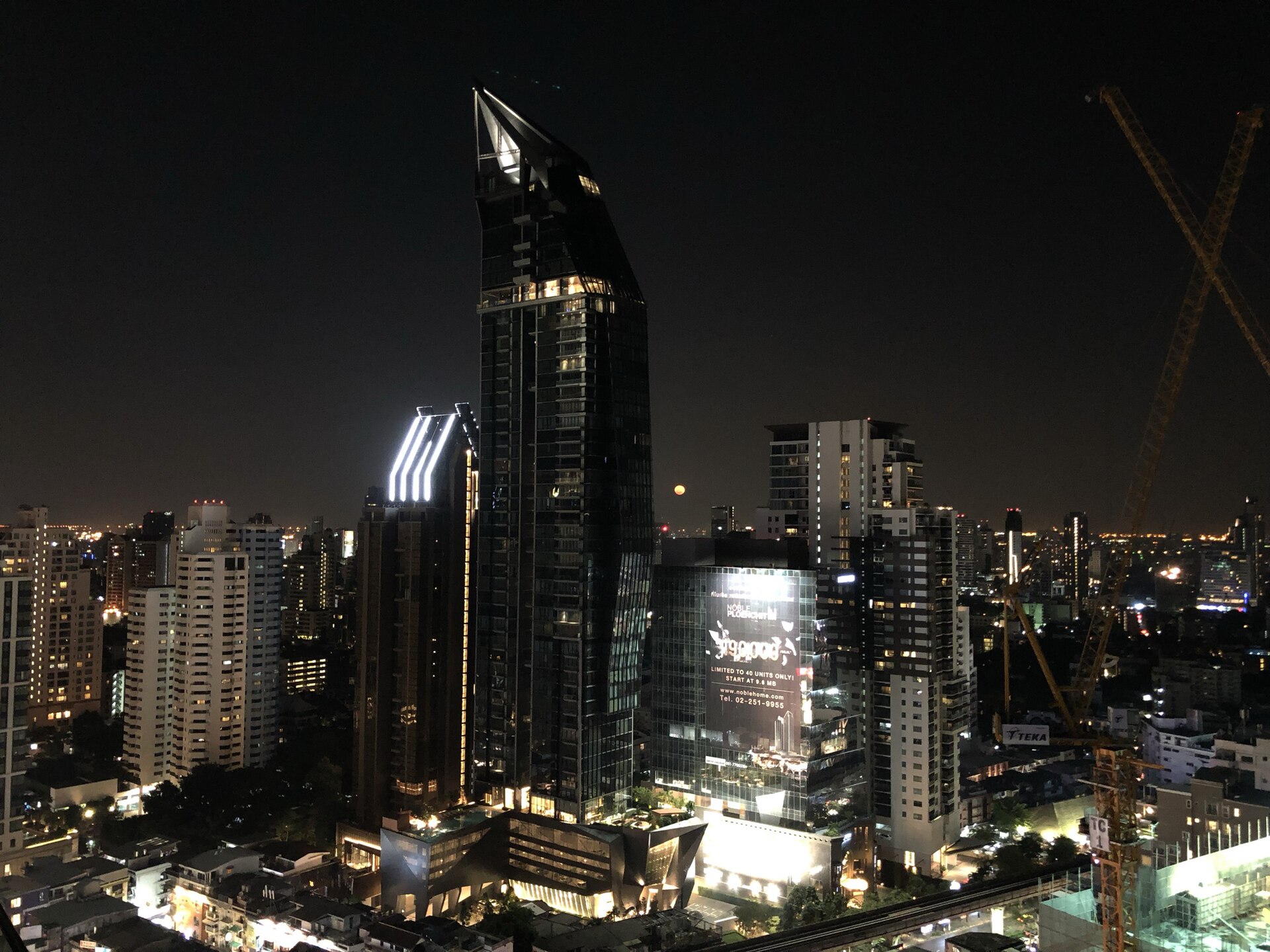
While Singapore dominates Southeast Asia's financial technology sector and Vietnam captures manufacturing headlines, Bangkok has quietly developed a tech ecosystem that thrives on something neither neighbour fully exploits: the intersection of established industrial infrastructure, government incentives, and entrepreneurial flexibility.
The numbers tell part of the story. Bangkok's tech sector attracted $1.2 billion in venture capital investment in 2025, according to regional venture tracking databases-a 40 percent increase from 2023. More significantly, the city now hosts over 3,500 registered startups, concentrated heavily in the Silom, Ekkamai, and Chiang Mai Road corridors where tech clusters have organically developed around universities, coworking spaces, and established corporate offices.
What makes Bangkok distinctive isn't just scale. It's positioning. Unlike Shenzhen's hardware dominance or Bangalore's outsourcing specialisation, Bangkok occupies the middle ground as a regional hub for companies looking to serve Southeast Asia's 700 million consumers. Thai Tech Startup Fund, established in 2021, committed 5 billion baht specifically to early-stage ventures addressing local market problems-from agricultural technology to logistics optimisation. That focus on regional application, rather than global export, has attracted a different calibre of founder.
The city's fintech scene exemplifies this distinction. Bangkok's regulatory environment-overseen by the Securities and Exchange Commission with clearly defined sandbox zones-has created space for innovation that's neither as restrictive as some neighbours nor as anarchic as others. Companies like Omise and Zing Payment Solutions built billion-dollar valuations here, but they did so while remaining deeply embedded in Thai banking ecosystem relationships that took years to cultivate.
Government support through the Thailand Board of Investment's software and digital content promotion zones has subsidised office space and reduced corporate tax, making rental costs in emerging tech districts significantly lower than regional competitors. A 500-square-metre office in the booming Rama 9 area costs roughly 150,000 baht monthly-undercutting comparable Singapore or Hong Kong locations by 60 percent.
Perhaps most distinctively, Bangkok's tech workforce benefits from Thailand's Chinese diaspora and historical trade ties, creating natural bridges to Chinese investors and technologies. Simultaneously, the city maintains strong connections to Western venture capital through its status as a major regional hub for multinationals seeking ASEAN-wide operations.
The ecosystem remains fragmented compared to established tech capitals, and infrastructure challenges-traffic, power reliability, talent retention-persist. Yet these constraints have paradoxically shaped Bangkok's advantage: a scrappy, adaptable innovation culture focused on solving real regional problems, supported by pragmatic government incentives and positioned between the world's largest markets.
This article was compiled by AI and screened before publishing. See our editorial standards.