tech
Bangkok’s Smart City Drive: Balancing Innovation with Ethics and Risks
Amid ambitious tech projects targeting urban efficiency, Bangkok faces complex challenges around privacy, inequality, and systemic risks.
How we reported this
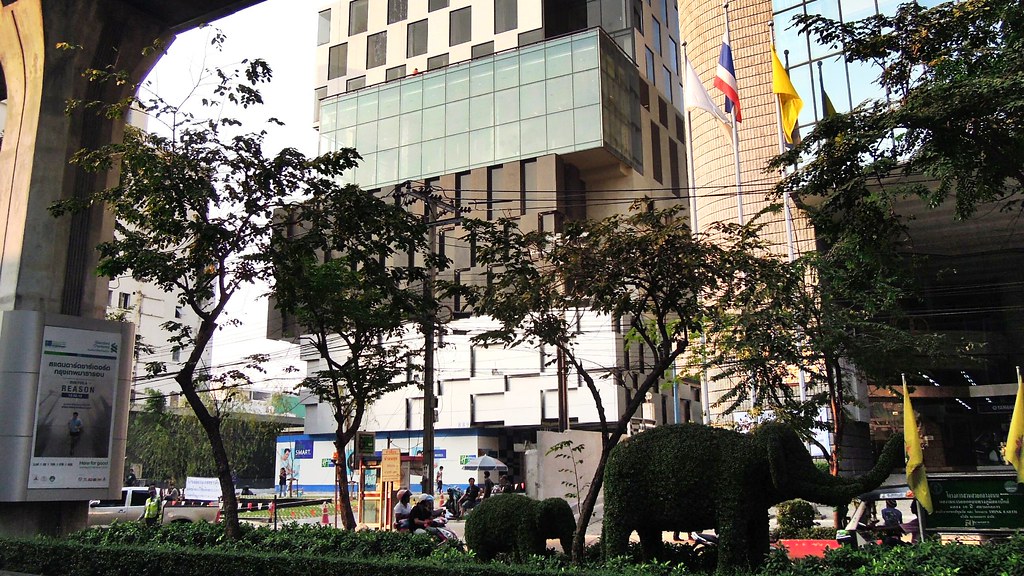
Bangkok is accelerating its smart city initiatives, seeking to transform urban life with digital technologies, but questions over privacy, data security, and social equity are increasingly in the spotlight.
As Southeast Asia’s regional hub, Bangkok aims to embed IoT sensors, AI-driven traffic controls, and digital citizen services to boost sustainability and reduce congestion. The inflection point comes as the government pushes the Smart Bangkok 2026 plan forward, following recent pilot programs in the Ratchathewi and Bang Sue districts that tested AI-powered public safety cameras and automated waste management systems.
The Momentum and Local Implementation
The Bangkok Metropolitan Administration (BMA) has committed over 1.5 billion baht to smart city projects this year alone, including the deployment of over 3,000 smart traffic sensors along Sukhumvit Road and the integration of smart street lighting in Chatuchak Park. The Digital Economy Promotion Agency (DEPA), partnering with local startups, has focused on bridging tech innovation with citizen engagement via mobile platforms showcasing real-time transit and pollution data.
One example is the ITS Smart City Hub on Ratchadaphisek Road, which serves as a nerve center for monitoring and managing city data in real time. Additionally, King Mongkut's University of Technology Thonburi (KMUTT) is collaborating on developing ethical AI protocols tailored to Bangkok’s urban context.
Challenges, Risks, and Ethical Questions
Despite promise, the rapid rollout of smart infrastructure poses significant challenges. Bangkok’s historically fragmented data governance framework increases vulnerabilities to cyberattacks, while many residents remain concerned about surveillance and personal data misuse. The reliance on AI for policing and traffic enforcement stirs debate about potential biases and accountability, notably in lower-income neighborhoods such as Din Daeng and Klong Toey where digital inclusion lags.
According to the BMA’s most recent public survey, only 34% of residents feel adequately informed about how their data is collected and used within smart city systems, highlighting a transparency gap. Cybersecurity incidents have already increased by 18% in 2025 compared to the previous year, according to a report by Thailand’s National Cybersecurity Agency, underscoring systemic risks.
Moreover, experts warn that smart city initiatives risk deepening inequality unless integrated with broader social planning. There are concerns that automated service delivery could marginalize those without smartphone access or digital literacy, particularly elderly populations in areas like Bang Na.
Given these complexities, stakeholders urge a robust ethical framework and continuous public dialogue to accompany technological advancement.
Looking ahead, the BMA plans to expand its smart city blueprint citywide by 2028 but emphasizes the need for transparent governance and inclusive policies. For residents, staying informed about data practices and participating in community feedback channels, such as forums hosted by the Bangkok Smart City Office, will be key to shaping a balanced digital urban future.