wellness
Yoga styles explained: which one suits your lifestyle
From sweaty Ashtanga sessions in Ari to gentle Yin classes beside the Chao Phraya, Bangkok's yoga scene has never been more varied, or more confusing.
How we reported this
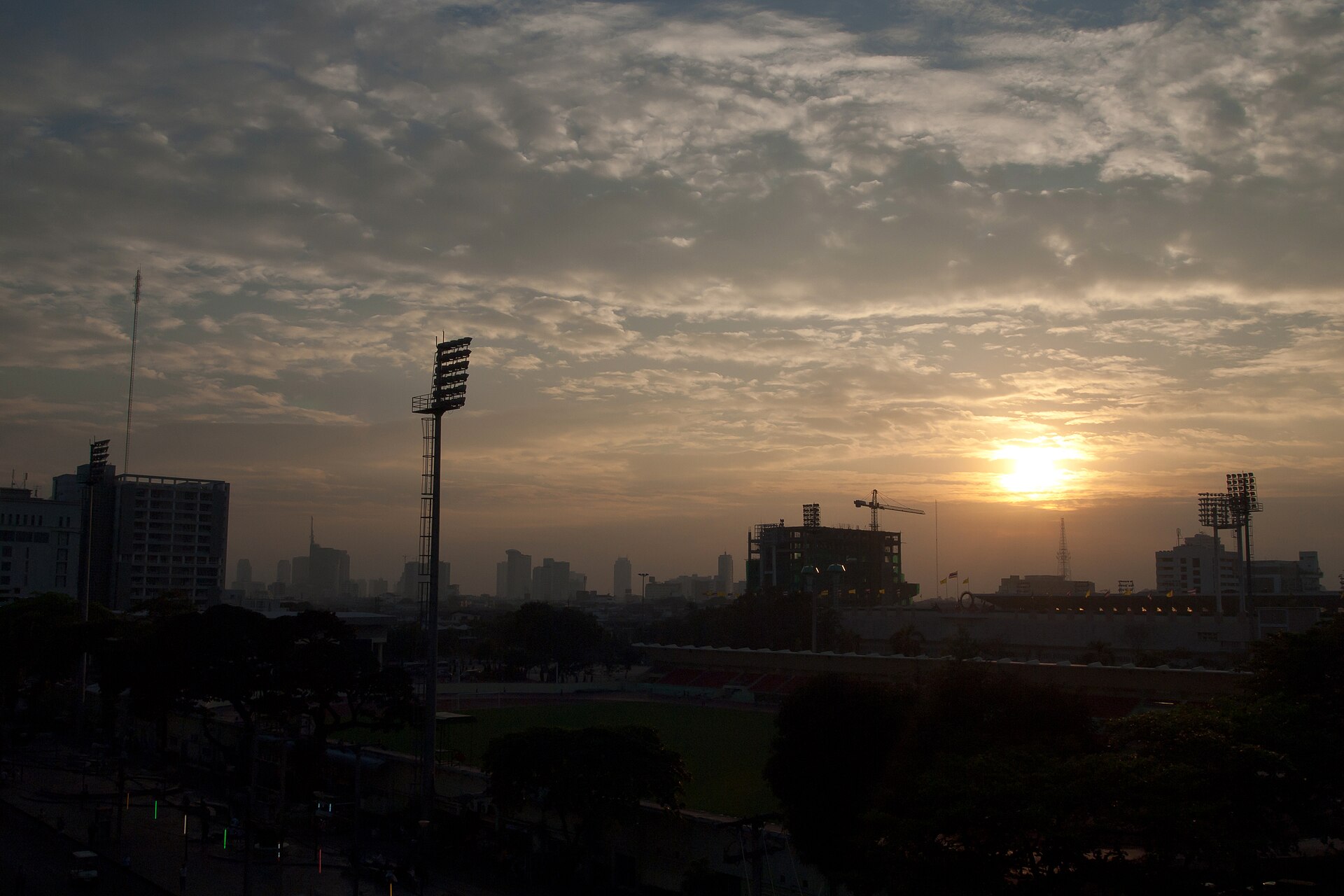
Bangkok's yoga studios logged a 34 percent rise in new memberships during the first half of 2026, according to figures compiled by the Thai Wellness Business Association in June. The city now hosts more than 280 registered yoga venues, from air-conditioned flagship studios in Thonglor to rooftop sessions on the Sathorn side of the river. The question most newcomers ask is the same one regulars keep revisiting: which style is actually right for them?
The surge matters for a specific reason. Stress-related sleep disorders and anxiety diagnoses at Bumrungrad International Hospital on Sukhumvit Soi 3 climbed steadily through 2025, a pattern doctors there attributed partly to post-pandemic work culture and the city's grinding commute times. Yoga, depending on the style, addresses both the physical and psychological roots of that strain. But picking the wrong class can leave a burned-out office worker feeling worse, not better.
The main styles and what they actually demand
Hatha is the baseline. Classes move slowly through standing and seated postures held for several breaths each. It suits absolute beginners, older practitioners, or anyone recovering from injury. Absolute Yoga on Sukhumvit Soi 26 runs Hatha fundamentals six mornings a week at 7 a.m., with drop-in rates starting at 550 baht. No prior experience required.
Vinyasa links breath to movement in a flowing sequence. Heart rate climbs, and a 60-minute class can burn roughly 400 to 500 calories depending on intensity. Yoga Elements Studio in the Ari neighbourhood on Phahonyothin Road is well known for its Vinyasa programming; monthly unlimited passes run around 3,200 baht. The style appeals to runners who already use Lumphini Park's 2.5-kilometre perimeter track and want complementary cross-training.
Ashtanga is Vinyasa's more demanding older sibling. It follows a fixed primary series of postures performed in the same order every session. Practitioners sweat heavily. Power Yoga Thailand, with its studio off Ekamai Road in Watthana district, schedules led Ashtanga classes on Tuesday and Thursday evenings. Instructors there advise building at least three months of general yoga fitness before attempting it.
Yin yoga sits at the opposite end of the effort spectrum. Postures are held passively for three to five minutes, targeting connective tissue rather than muscle. Heart rate stays low. For anyone whose day job involves sitting at a desk in the Asok or Ratchadaphisek office corridors for eight-plus hours, Yin targets exactly the hip flexors and lumbar fascia that suffer most. Several studios along the Chao Phraya riverside, including Sala Rattanakosin's rooftop wellness space on Maharat Road, incorporate Yin into their evening schedule specifically for after-work visitors.
Restorative yoga goes further still, bolsters, blankets and eye pillows support the body in near-passive shapes for up to 10 minutes each. It is therapeutic rather than athletic, and Thai medical practitioners at integrative clinics in the Silom area increasingly recommend it as an adjunct to treatment for chronic fatigue and high cortisol levels.
Matching the style to your week
Lifestyle is the honest filter here. Training for a Muay Thai class at Fairtex or running the Chao Phraya riverside path from Tha Phra Chan pier on weekends? Vinyasa or Ashtanga will complement that cardiovascular base. Working 10-hour days with limited sleep and a screen-heavy routine? Yin or Restorative is closer to what the body actually needs, even if the mind resists anything that isn't visibly strenuous.
Budget matters too. Outdoor community classes in Lumphini Park run by volunteer instructors are free on Saturday mornings, making them the lowest-barrier entry point in the city. Studio memberships range from 1,800 baht a month for a single-style pass at smaller Ari and On Nut venues up to 6,500 baht for unlimited multi-style access at larger Thonglor operations.
The Thai Wellness Business Association expects class availability to keep expanding through Q3 2026 as operators add lunchtime slots to capture office workers in the CBD. For anyone still unsure, most studios offer a single trial class at 300 to 400 baht, enough time to find out whether a style energises you or, more usefully, whether it puts you to sleep. Either answer tells you something. Consult a qualified healthcare professional at a clinic or hospital before beginning any new physical practice if you have an existing medical condition.