wellness
The science behind mindfulness: what it actually does to the brain
Neuroscience is finally catching up with meditation-Bangkok researchers and wellness centres reveal just how much regular mindfulness changes the city’s stressed brains.
How we reported this
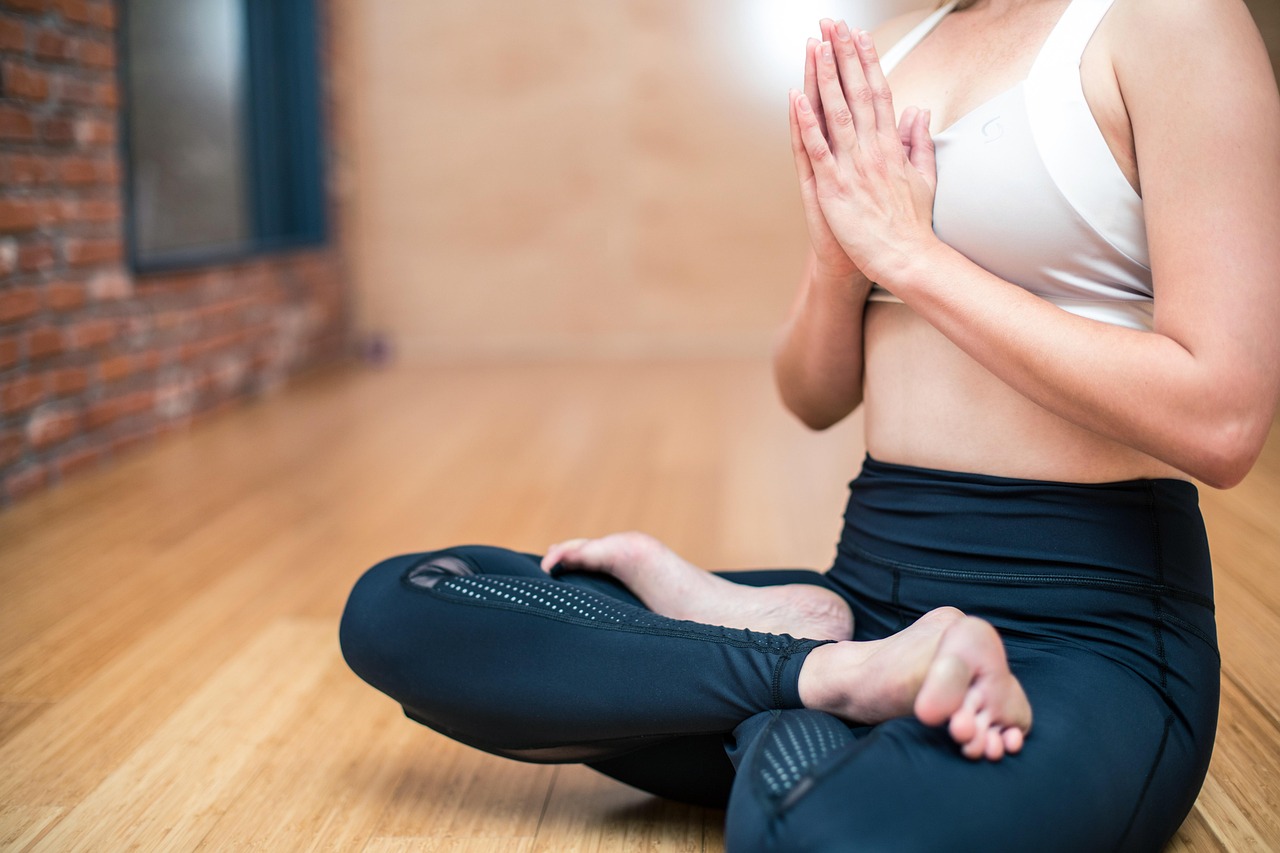
If you’ve sat in silence at Lumphini Park or squeezed into a mat at a Sathorn meditation studio this year, your brain may be quietly transforming in ways visible to modern science. Research from Bangkok Hospital and global studies show that mindfulness meditation, long a staple of Thai wellness culture, rewires the brain to manage stress, enhance mood and sharpen attention.
Why mindfulness matters now in Bangkok
The city’s commuter grind, airborne PM2.5 alerts, and round-the-clock work culture push many Bangkokians to the brink of burnout. The World Health Organisation named stress as a leading cause of illness in Thailand last year, with record numbers seeking help at top hospitals like Bumrungrad and Samitivej. Mindfulness and meditation classes, once considered niche, now spill out of riverside shophouse studios along Charoen Krung Road and into boardrooms in Silom, where companies offer lunchtime guided sessions for employees.
But trendiness alone doesn’t explain the surge. Dr. Veerathai Charoensook, a neurologist at Bangkok Hospital, points to a rising demand for evidence-backed interventions for mental health in the city. "Bangkok residents are aware of meditation traditions, but they want scientific proof that these practices actually work for the problems they face: anxiety, insomnia, difficulty focusing," he said. The city’s international schools, such as ISB and Shrewsbury, now invite mindfulness coaches for weekly student workshops, reflecting this hunger for results.
The brain on mindfulness
The core science is striking. Studies using MRI scans-including a 2025 review published by Mahidol University-have shown that just eight weeks of regular mindfulness practice leads to measurable increases in grey matter density in the hippocampus, the brain’s memory and learning centre. There’s also growth in regions associated with emotional regulation, such as the prefrontal cortex, researchers here confirm. This means practitioners often report greater calm, improved sleep, and reduced reactivity to everyday stressors like MTR delays or thunderous traffic.
Locally, wellness operators are cashing in on this surge in interest. On Sukhumvit Soi 11, the Mindful Moment Studio charges ฿450 per drop-in class, promising not just serenity but "a boost for your brain’s wiring." Across town in Chatuchak, the Vajiradhamma Temple offers free weekly sessions, attended by hundreds seeking not only spiritual but neurological benefits.
Numbers from the Public Health Ministry show a dramatic uptick: participation in registered meditation classes in Bangkok doubled between 2022 and 2025, with over 30,000 attendees last year. At Bumrungrad International Hospital, appointments for mindfulness-based therapy have grown by 40% since 2023, according to official figures.
How to start, and what happens next
For Bangkok residents curious to try, entry is as convenient as a riverside stroll. Drop-in meditation is available at dozens of venues, often for less than the price of a high-rise coffee. Experts recommend a consistent schedule-15 to 20 minutes a day-which has been shown in Mahidol University’s research to enhance both mental clarity and stress resilience within two months. Many practitioners use accessible apps or join community events such as the monthly sessions at The Commons Thonglor, drawing a diverse crowd from nearby offices and condominiums.
For those with more severe sleep or anxiety issues, local clinicians advise making an appointment with specialists at Bangkok or Paolo Hospital, where mindfulness is now offered alongside traditional therapy. Whether you meditate at dawn in Suan Rot Fai Park or with an office group in Sathorn, the evidence supports what generations already suspected: mindfulness is more than a wellness buzzword-it’s practical, scientifically proven brain training, tailored for the chaos of Bangkok life.