wellness
The Science Behind Mindfulness: What It Actually Does to the Brain
Bangkok’s growing mindfulness movement is backed by new neuroscience showing meditation’s powerful impact on stress, focus, and emotional resilience.
How we reported this
A five-minute stroll across Soi Langsuan on any Saturday morning reveals a familiar sight: dozens of Bangkokians-young professionals, retirees, joggers cooling down from Lumphini Park-seated cross-legged with eyes closed, phones silenced. But what’s actually going on inside those minds?
The answer is more than peace and quiet. Thanks to MRI scanners and a decade of brain imaging research, scientists now know meditation physically changes the structures of our brains. The surge of mindfulness and meditation classes across central Bangkok isn’t just a lifestyle trend. It’s grounded in evidence showing real neural rewiring-and as mental health pressures mount post-pandemic, Bangkok’s wellness scene is doubling down on scientific mindfulness.
New Evidence, Local Initiatives
Last month, Samitivej Hospital’s Mind Wellness Centre on Sukhumvit Soi 49 introduced a new "Mindfulness and Brain Health" workshop, linking meditation exercises to real-life EEG results. Meanwhile, the popular morning gathering at Yogatique Thonglor regularly draws both Thais and expats for guided sessions that mention not chakras, but prefrontal cortex plasticity. “Interest has surged since January,” staff confirm. Even upscale spas like Banyan Tree’s Rainforest Sanctuary now tout science-based mindfulness packages for business travellers-THB 1,200 per drop-in.
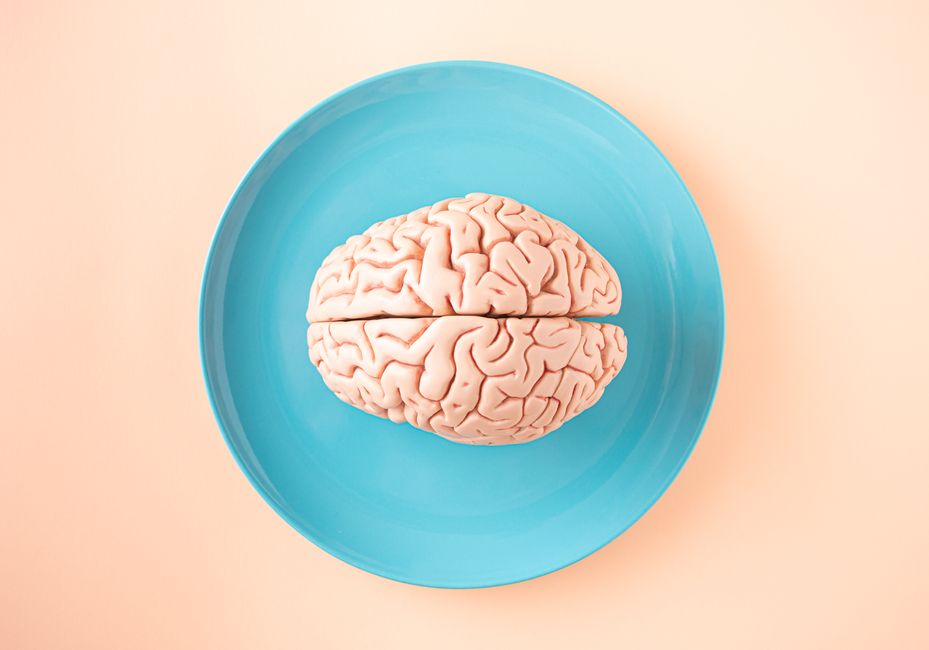
This local focus on brain changes isn’t just clever marketing. Mindfulness meditation-simply paying nonjudgmental attention to the present moment-has been found to shrink amygdala volume (the stress centre), thicken the hippocampus (linked to memory), and boost grey matter density in the anterior cingulate cortex (attention and emotional regulation hub). A landmark 2022 meta-analysis found that eight weeks of mindfulness practice led to measurable neural changes, with participants reporting up to 25% reductions in anxiety. Thammasat University’s Applied Neuroscience Unit has even begun tracking outcomes in partnership with Lumphini Park’s early-morning mindfulness club.
"Most people expect relaxation, but the real benefit is a rewiring for improved self-regulation," says Dr. Olarn Jitwong, a psychiatrist at Bumrungrad Hospital’s Mental Health Clinic. "The science supports what many monks and traditional healers have described for generations."
Accessible, Adaptable-and What Happens Next
Group meditation at wellness studios on Sukhumvit or Charoen Krung averages THB 300-700 per class. For those on a budget, grassroots sessions at Lumphini Park (main gate, every Thursday 7am) are free. App-based mindfulness tools-with Thai language guides-now proliferate: Insight Timer’s premium membership costs THB 350 per month, but their community features are free.
Neuroscientists agree: consistent practice matters more than length. A 12-minute daily mindfulness routine, whether solo at Benjakitti Park or in a group at Sathorn’s yoga shalas, is all it takes for structural changes to begin within the brain’s circuitry after six weeks. As Bangkok’s fast pace returns, employers like Bangkok Bank and chemicals giant SCG are also piloting workplace mindfulness programs this quarter, citing upticks in focus and reduced sick days. For urbanites, the next step is simple: choose a style-guided, body-scan, walking meditation-and commit to trying it for at least a month.
Medical providers emphasise that mindfulness isn’t meant to replace clinical care for chronic depression or anxiety. But as the city embraces both its ancient traditions and neuroscience breakthroughs, practicing a simple pause might be the most modern-and proven-wellness move on Bangkok’s crowded streets.