wellness
Walking meditation: how to turn your daily walk into mindfulness
Bangkok residents are discovering mindful movement through walking meditation-from Lumphini Park paths to riverside promenades.
How we reported this
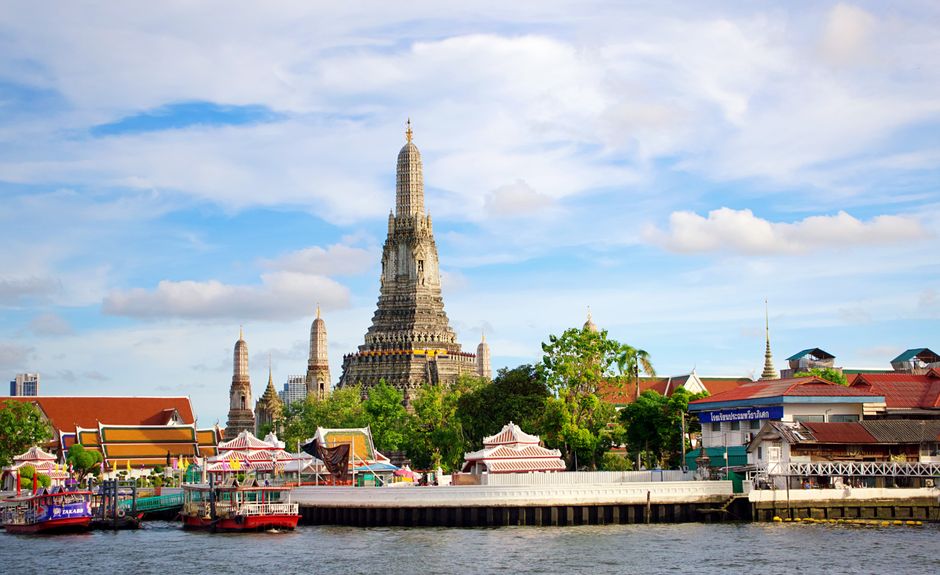
Every Saturday at sunrise, a quiet crowd gathers near the lakeside path at Lumphini Park. They walk in careful, slow steps-eyes soft, breaths measured, their focus attuned to the rhythm of heel and toe meeting the ground. This is not a fitness bootcamp: it’s the Bangkok Mindful Walkers, a volunteer-led group that has seen steadily growing numbers since its formation in late 2024.
The appeal isn’t hard to explain. As daily life in Bangkok barrels ahead-between surging work hours, family pressure, and the city’s relentless traffic-more people are grasping for ways to find calm and presence. The World Health Organization warned in 2023 that rates of anxiety and stress-related illness are climbing across urban Thailand. Psychologists at Chulalongkorn University say that accessible, low-cost mindfulness practices like walking meditation are increasingly sought as both preventive wellness and personal sanctuary from city stress.
From Lumphini Park to the Chao Phraya Riverside
Bangkok has a longstanding culture of movement-think Muay Thai gyms in Silom or joggers tracing the Chao Phraya riverbanks. But mindful walking is a quieter ritual, rooted in both Buddhist tradition and modern wellness. On Tuesday evenings, the Meditation Center of Bangkok on Rama IX regularly leads group walking meditation sessions through their shaded leafy courtyard. Meanwhile, along Charoen Krung Road, the riverside promenade has become a route of choice for solo practitioners weaving mindfulness into brisk commutes or sunset strolls.
The essence is simple. "Focus is placed on sensations: the contact of feet with pavement, the flow of air, the rhythm of breath and movement," explains Thanrach Boonchai, who volunteers with Well Bangkok’s wellness walks project. Some participants set gentle reminders on their phones-an app buzz every five minutes to return wandering thoughts back to the present.
The option is every bit as low-tech as it sounds. Most sessions at Lumphini Park are free, as are the drop-in events hosted monthly by the Mindful Movement Collective at Benjakitti Forest Park. Even when led by professional instructors, sessions rarely exceed 300 baht per person. It’s a far cry from the city’s luxury spa prices, making walking meditation accessible to students and retirees alike.
Evidence, Numbers, and Everyday Impact
Research is catching up with the movement. A 2025 survey by the Urban Health Foundation found that 19% of Bangkokians reported trying some form of mindfulness-based walking in the past year-a 6% increase from 2022. Internationally, studies published by Mahidol University’s Faculty of Medicine have linked regular mindful walking to improved mood and lower self-reported stress among Thai adults, with participants noting benefit after just two 20-minute sessions per week.
For Bangkok’s city planners, the rising popularity is not lost. The Bangkok Metropolitan Administration announced in May 2026 it would expand paved walkways around Siriraj Hospital and Bang Krachao Green Lung, citing community requests for more access to safe, tranquil spaces for walking and meditation.
Ready to give it a try? Experts advise starting small: ten minutes during an early-morning stroll along Sukhumvit Soi 38 or a lunchtime loop in Benjasiri Park. Focus on your feet, the feeling of air on your skin, and your breath. If your mind wanders-inevitable in a city as dynamic as Bangkok-simply guide it back to the step you are on. Resources like Well Bangkok and local meditation centers post weekly schedules on Facebook, with drop-in events across the city.
In a city brimming with speed, turning daily walks into mindful rituals is one way Bangkok residents are reclaiming peace-one step, one breath, at a time.