wellness
Bangkok Workers Discover When Daytime Naps Boost or Harm Sleep
Bangkok office workers and fitness enthusiasts are weighing the benefits of short daytime rests against risks to nighttime sleep amid rising urban stress.
How we reported this
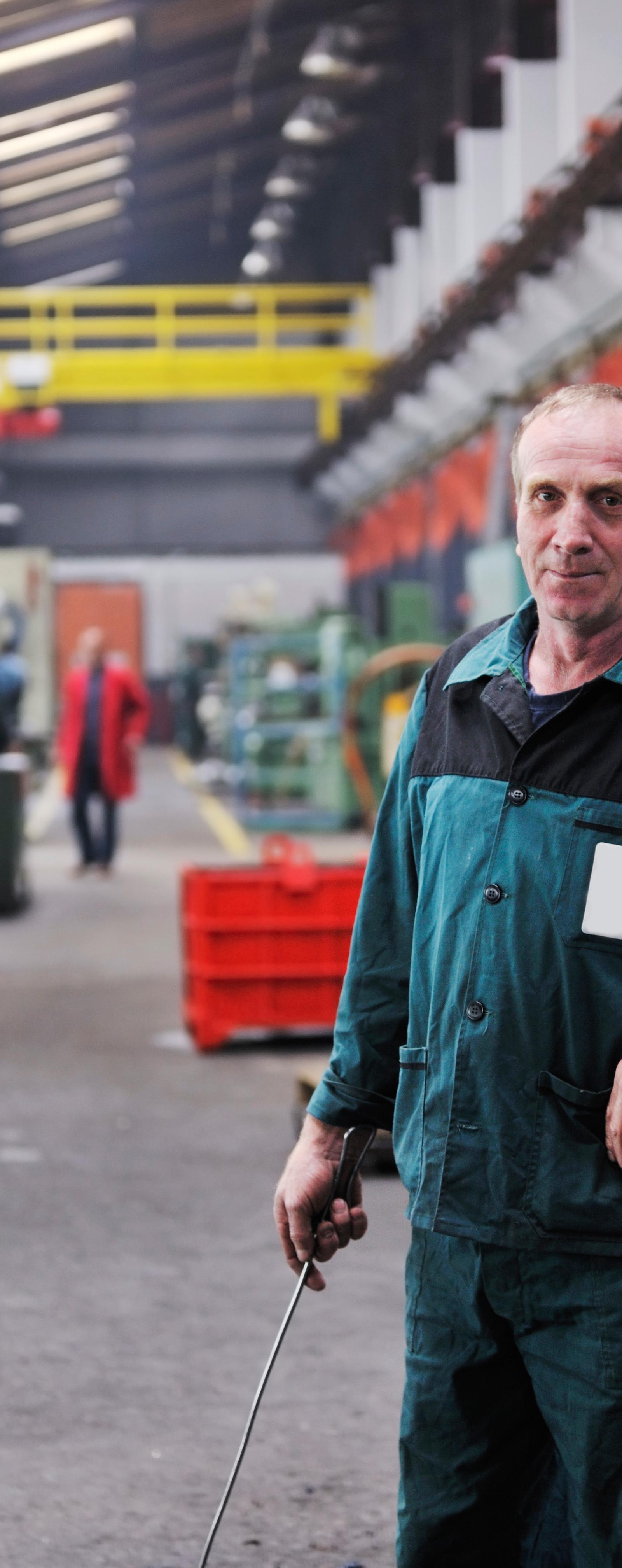
One in three Bangkok professionals now takes a midday nap at least three times a week, according to internal data compiled by the Thai Sleep Society in June 2026.
The trend has gained traction as commutes along Sukhumvit Road stretch longer and Muay Thai training sessions at local gyms push into evening hours. City residents juggling long shifts with family obligations report feeling the pull of a brief rest, yet many discover that poorly timed naps leave them more fatigued by midnight.
Short rests that aid recovery
Runners who finish loops around Lumphini Park often stretch out on shaded benches for 15 to 20 minutes before returning to desks in nearby Silom. The park’s fitness hub, managed by the Bangkok Metropolitan Administration, added shaded rest zones in 2024 that now see steady use after 7 a.m. group classes. At Bumrungrad International Hospital’s sleep clinic on Sukhumvit Soi 3, staff advise patients with early-morning Thai massage appointments to limit naps to 25 minutes so they do not interfere with the 10 p.m. melatonin window most adults need.
Evidence from a 2025 Ministry of Public Health survey of 2,400 Bangkok adults found that workers who napped between 1 p.m. and 3 p.m. for under 30 minutes scored 14 percent higher on afternoon concentration tests than those who skipped rest entirely. The same report noted that participants who paid 300 baht for a 20-minute session at riverside nap pods near the Chao Phraya ferry piers reported lower evening cortisol readings measured at the hospital’s outpatient lab.
Patterns that backfire
Naps stretching past 45 minutes or taken after 4 p.m. produced the opposite result. Clinic records at Bumrungrad show a 22 percent rise in patients complaining of delayed sleep onset when they extended rests beyond the recommended window. Those who napped on weekends to compensate for weekday shortfalls often needed an extra hour to fall asleep on Sunday nights, according to the same June 2026 Thai Sleep Society dataset.
Practical steps include setting a phone alarm for 25 minutes, choosing a cool room away from direct sunlight, and avoiding caffeine within three hours of the nap. Residents near the Chao Phraya can test the 20-minute limit on shaded benches at the riverside park before committing to paid pods. Anyone experiencing persistent nighttime insomnia should book an assessment at Bumrungrad rather than adjust nap length alone.