wellness
Bangkok Residents Boost Sleep Quality With 5 Proven Climate-Adapted Strategies
Better sleep doesn't require leaving the city-discover practical strategies tailored to Bangkok's climate and lifestyle that can improve your rest starting tonight.
How we reported this
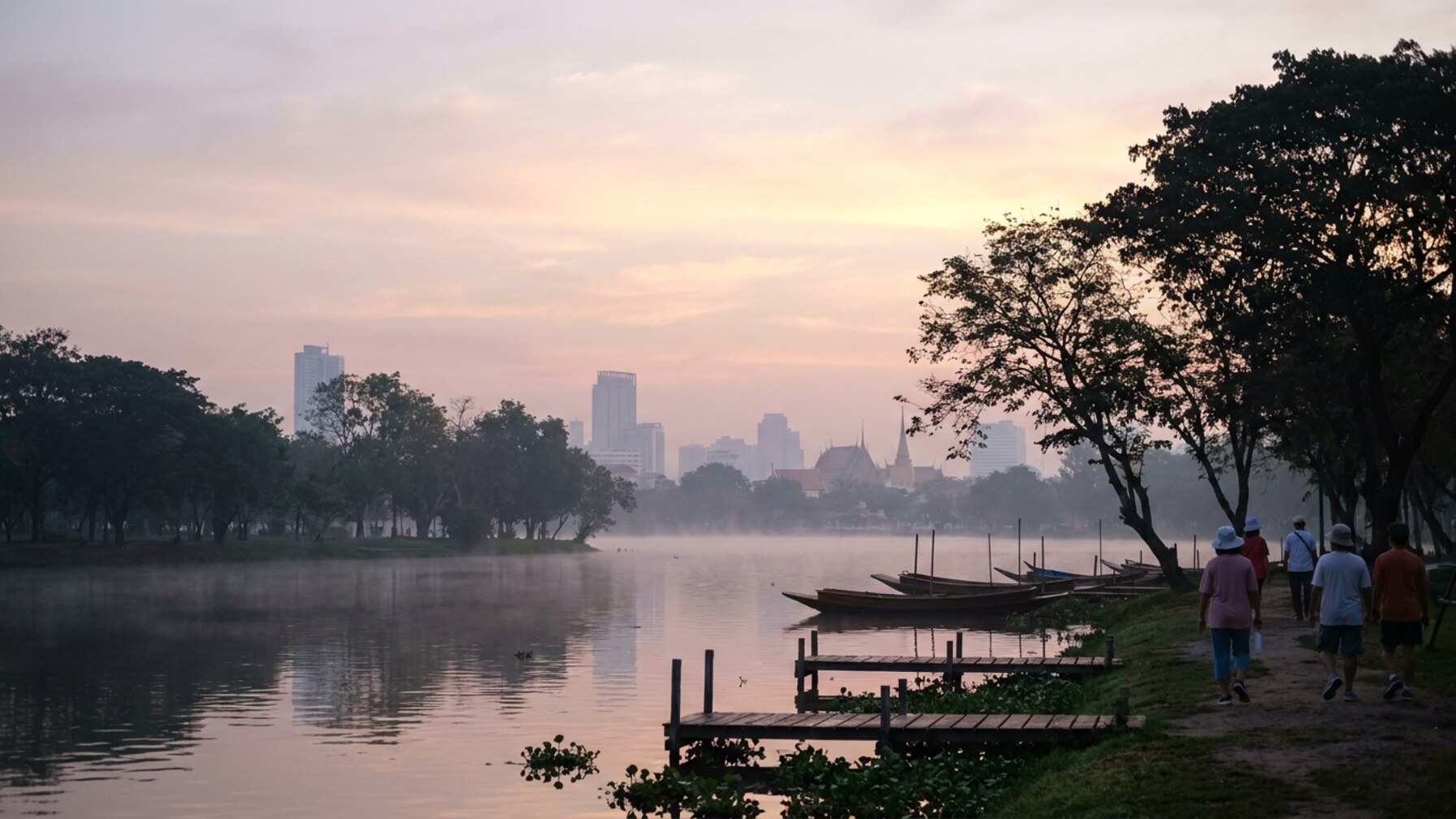
Bangkok's vibrant energy is intoxicating, but it can wreak havoc on your sleep schedule. The tropical heat, bustling street noise, and always-on city culture often leave residents exhausted despite clocking hours in bed. The good news? Quality sleep is within reach, and it starts with understanding how Bangkok's unique environment affects your rest.
Sleep experts increasingly recognise that our surroundings shape our sleep quality. Bangkok's intense humidity and heat can elevate core body temperature at night, making it harder to fall into restorative sleep. Additionally, the city's light pollution and constant ambient noise create invisible barriers to deep rest. Fortunately, Bangkok residents have powerful tools at their disposal.
Start by optimising your bedroom environment. Invest in breathable, moisture-wicking bedding suited to Thailand's climate-cotton or bamboo sheets make a real difference. Keep your room temperature between 16-19°C if possible, and consider blackout curtains to combat Bangkok's early dawn light. White noise machines or apps can mask traffic sounds from nearby roads and sois.
Your pre-sleep routine matters just as much. The Thai concept of sanuk-finding joy in simple moments-applies beautifully to wind-down rituals. Thirty minutes before bed, dim your lights and step away from screens. Try gentle stretching, meditation, or reading. Apps like Insight Timer offer excellent guided sessions in English and Thai. Many Bangkok wellness studios, including those near Lumphini Park, now offer evening yoga and breathwork classes specifically designed to prepare the body for sleep.
Timing is crucial in a hot climate. A lukewarm shower two hours before bed can help lower your body temperature naturally-mimicking the biological cooling that signals sleep onset. Avoid heavy meals, caffeine after 2 p.m., and excessive alcohol, which disrupts sleep architecture even if you feel drowsy initially.
Consider your daytime habits, too. Morning walks through Benjakitti Park or Chatuchak Park expose you to natural light, which anchors your circadian rhythm. Even 20 minutes of daylight exposure strengthens your body's internal clock, making nighttime sleep more automatic.
If sleep problems persist or worsen, consulting a local GP at reputable clinics like Bumrungrad International Hospital can help rule out underlying health concerns. Sleep quality is foundational to longevity and wellbeing-priorities Bangkok's growing wellness community increasingly prioritises.
This week, pick one change: better sheets, a consistent bedtime, or a pre-sleep ritual. Small shifts compound into transformative rest. Your best sleep might be just one decision away.